Chips & Hardware
Google previews new Android XR glasses with AI integration
Google showcased prototype Android XR glasses featuring AI-powered visual overlays, marking a strategic expansion beyond the audio-only eyewear the company plans to ship this fall.
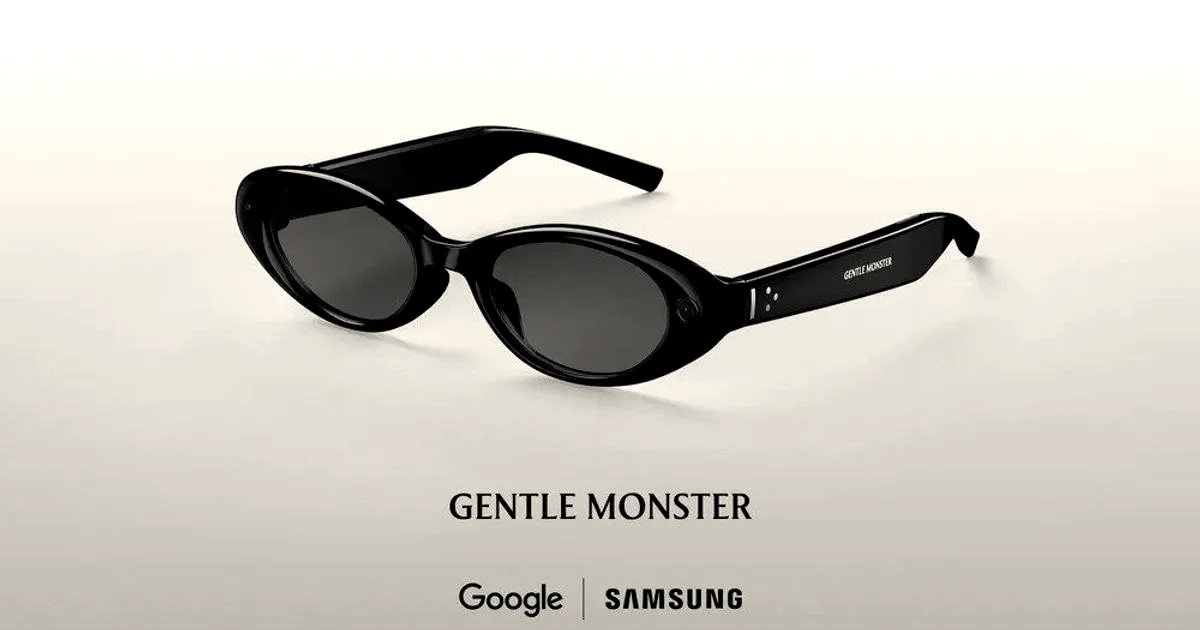
At the Google I/O developer conference this week, Google showcased a prototype of its upcoming Android XR glasses—augmented reality glasses that combine audio and visual experiences. This device represents a distinct product line from the audio-only smart glasses that the company confirmed will begin shipping this fall. While the audio-only version focuses entirely on sound, the Android XR glasses feature an in-lens display designed to overlay digital information directly onto the physical world. The first announcement of these Android XR glasses occurred at last year’s event, and the company is now preparing to expand its testing phase.
Google developed the prototype in partnership with eyewear brands Warby Parker and Gentle Monster, alongside electronics manufacturer Samsung, to integrate its technology into established frame designs. The device tested was very much a prototype, serving as an experimental platform for display technology and battery life rather than a final consumer product. To interact with Gemini, Google’s AI model, users perform a two-second press on the right side of the frame to activate the assistant. During testing, requesting the AI to perform photo manipulation required a round-trip to external servers that took around 45 seconds to complete, partly due to heavy network load at the venue.
The hardware tested lacks several features planned for the commercial release. For instance, the shipping version of the glasses will be able to detect when they are placed on or taken off the head, a capability missing from the current prototype. The display version also introduces features like real-time language translation and turn-by-turn Google Maps navigation directly in the wearer’s field of view. By developing these visual overlays, Google is positioning its hardware to compete with existing smart glasses and wearable audio devices from Meta, Snap, and Apple. For example, the open-ear audio design allows wearers to hear ambient sounds more easily than the transparency modes found on devices like Apple’s AirPods.
Why it matters
Google is evolving its wearable strategy by integrating AI-driven visual overlays, positioning its hardware to compete directly with established players in the smart glasses market.