Markets & Business
Volkswagen ends US production of ID.4 electric SUV
Volkswagen is ending U.S. production of its ID.4 electric vehicle to prioritize gas-powered SUVs, as the automaker adjusts to cooling domestic demand for EVs.
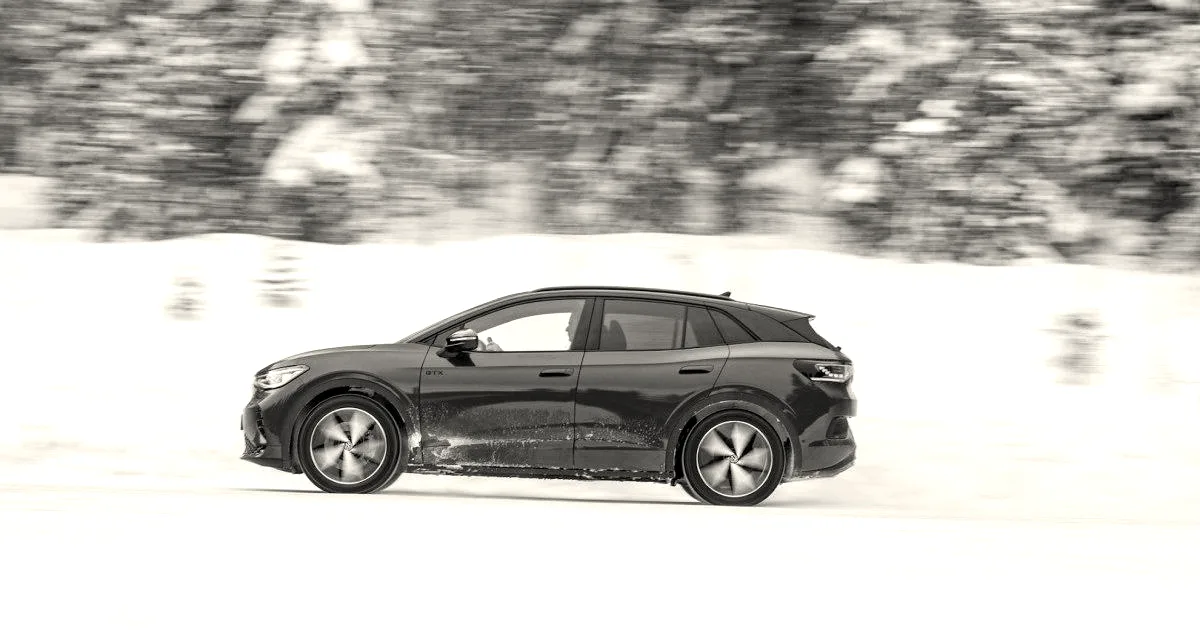
On Thursday, Volkswagen announced that it is ending production of the all-electric ID.4 at its Chattanooga plant in the United States. The German automaker is shifting its manufacturing resources to focus on producing the gas-powered Atlas SUV instead. The company stated that U.S. customers will still be able to purchase the ID.4 from existing stock, as Volkswagen expects U.S. inventory of the electric vehicle to last into 2027.
The decision comes as demand for electric vehicles (EVs) has not met initial automaker forecasts. Established, traditional car manufacturers—often referred to as legacy automakers—have faced cooling domestic demand, a trend that was exacerbated by the removal of the $7,500 federal tax credit. Volkswagen began producing the mid-priced ID.4 in 2020, listing the vehicle at about $45,000. While a 2023 refresh boosted sales, the vehicle’s market performance has been highly volatile. U.S. sales of the ID.4 surpassed 37,000 in 2023, dropped 55% the following year, and then recovered slightly in 2025, ticking up 31% to 22,373.
Despite the domestic pullback, Volkswagen reported that global EV demand is holding up. In January, the automaker reported it delivered about 382,000 all-electric vehicles worldwide in 2025, which was down 0.2%. Volkswagen does plan to bring future models to the Chattanooga plant, starting with the launch of the second-generation, gas-powered Atlas for model year 2027. Kjell Gruner, President and CEO of Volkswagen Group of America, emphasized that “the Chattanooga plant has been, and will continue to be, a cornerstone of Volkswagen’s strategy in the United States.” Additionally, the automaker claims it will likely bring a future version of the ID.4 to the North American market, though it has not provided a specific timeline.
Why it matters
Volkswagen’s pivot highlights a broader trend among established, traditional car manufacturers recalibrating their U.S. manufacturing strategies to prioritize high-volume gas vehicles over EVs amid softening consumer demand.