Chips & Hardware
Ultrahuman unveils Ring Pro to revive U.S. market presence
Ultrahuman has unveiled its new Ring Pro, featuring a redesigned form factor and longer battery life, as it attempts to revive its U.S. business following a patent dispute.
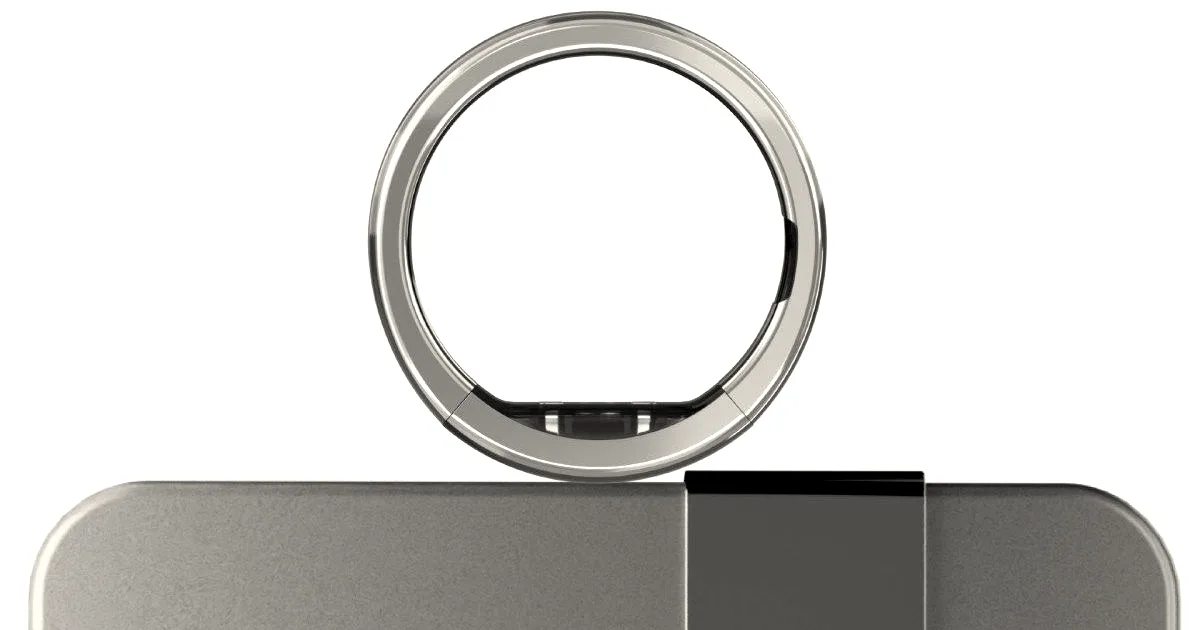
On Friday, Ultrahuman unveiled the Ring Pro, its new smart ring, as the company seeks to re-enter the U.S. market. Preorders are available globally, excluding the U.S., with shipments starting in March.
The Ring Pro features:
- Price: $479 (compared to the Ring Air launch price of $349 in July 2023)
- Battery life: Up to 15 days (compared to four to six days on the Ring Air)
- Weight: About 5% to 6% heavier than the Ring Air
The launch follows the disruption of Ultrahuman’s U.S. business in October 2025, when the U.S. International Trade Commission ruled in Oura’s favor in a patent dispute. The ruling prevented Ultrahuman from importing new ring inventory. To work around Oura’s patent, Ultrahuman redesigned the device and submitted it to the U.S. Customs and Border Protection—the agency reviewing the new device for import clearance. Meanwhile, a separate patent infringement case filed by Ultrahuman against Oura in August 2025 remains pending in the Delhi High Court.
Alongside the hardware, Ultrahuman introduced Jade, a real-time biointelligence system—defined as a system analyzing user health data for personalized insights. The Ring Pro itself includes a redesigned heart-rate sensing architecture and a new dual-core processor. According to co-founder and CEO Mohit Kumar, Jade is designed to move beyond retrospective health summaries toward real-time, actionable guidance. “Jade is built to react to your health in real time and surface actions users can take,” Kumar said. The system will be available to all users, including those on the older Ring Air, without a subscription. Ultrahuman also introduced a Pro Charger with up to 45 days of battery life.
The U.S. previously accounted for about 45% of Ultrahuman’s roughly 700,000 daily active users worldwide. Despite the disruption, Ultrahuman operates at an annualized revenue run rate—a financial metric projecting annual revenue based on current performance—of about $150 million, up from $64 million in operating revenue in the financial year ended March 2025. Subscriptions contribute about 16% of revenue, while Blood Vision accounts for roughly 5% to 6%. Key growth markets include the U.K., Canada, Australia, and India, which contributes about 8% to 9% of revenue. Women make up about 68% of its user base, up from roughly 65% a year earlier.
According to Counterpoint Research’s Anshika Jain, global smart ring shipments grew nearly 80% year-over-year in 2025. IDC data showed global shipments rose about 30% year over year in Q3 2025 to nearly 1 million units, with Ultrahuman capturing roughly 25% of the market. Founded in 2019, Ultrahuman has raised about $55 million from investors including Alpha Wave Incubation, Blume Ventures, Steadview Capital, and Nexus Venture Partners.
Why it matters
Ultrahuman is attempting to revive its U.S. business, which was significantly disrupted by a patent dispute with Oura, by launching a redesigned product that it hopes will clear U.S. Customs and Border Protection.