Apps & Consumer
Uber begins testing Lucid robotaxis in San Francisco
Uber employees are now testing autonomous Lucid Gravity SUVs in San Francisco, a key step toward the company's planned premium robotaxi service launch.
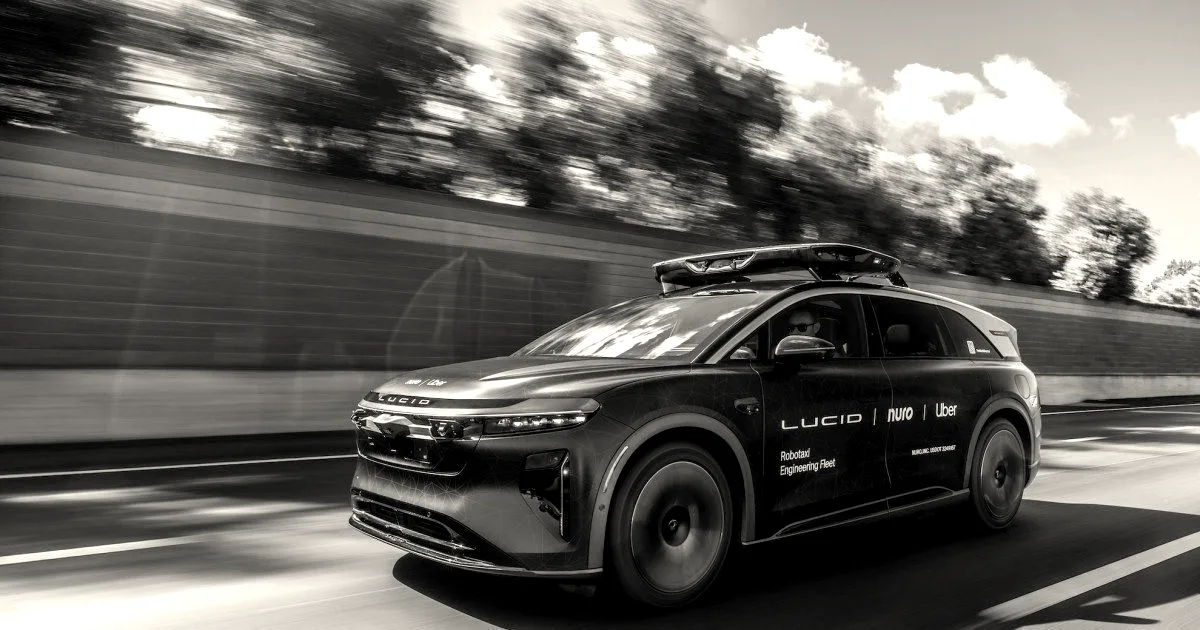
Select Uber employees in San Francisco can now request a ride in a Lucid robotaxi—defined as an autonomous vehicle used for ride-hailing—directly through the Uber app. According to autonomous vehicle system provider Nuro, these vehicles are operating in autonomous mode on public roads, with a human safety operator behind the wheel as backup. This phase of testing represents a key step toward a planned public robotaxi service launch in the U.S., moving the technology from closed-course development to real-world operational validation. The testing marks a new phase in the partnership between Uber and Nuro, signaling progress toward a planned public robotaxi service launch using Lucid Gravity SUVs.
The current testing builds on a partnership and investment agreement established between the companies in July 2025. While this is not yet a public launch, it signals progress since the companies announced their partnership and investment in July 2025. The financial and vehicle purchase commitments under this agreement include:
- A $300 million investment by Uber into electric vehicle manufacturer Lucid.
- An agreement for Uber to buy at least 20,000 of the Lucid Gravity SUVs over the next six years.
Nuro, which received a separate multi-hundred-million dollar investment from Uber, is managing the vehicle’s autonomy stack—the software and hardware system enabling self-driving. The system is powered by Nvidia compute hardware. In a blog update posted on Monday, Nuro indicated that it currently operates an engineering fleet of 100 Lucid Gravity SUVs. This fleet is being used to gather real-world data and test autonomous driving across multiple U.S. cities and states. The employee test rides are designed to help the teams evaluate how the autonomy stack, vehicle, and rider experience function together in a live operating environment, including rider pickups and drop-offs.
The Lucid Gravity robotaxi was first revealed in January. Looking ahead, Uber plans to own and operate the premium robotaxi service, likely with help from a third party. According to a regulatory filing, production of the modified Lucid Gravity vehicles is expected to begin in late 2026.
Why it matters
This testing represents a critical milestone in Uber’s strategy to deploy a premium, autonomous ride-hailing service, moving from closed-course development to real-world operational validation.