Policy & Regulation
Volvo avoids U.S. ban on Chinese-connected vehicle technology
Volvo Cars received specific authorization from the Trump administration to continue selling connected vehicles in the U.S., avoiding a ban on Chinese-connected technology.
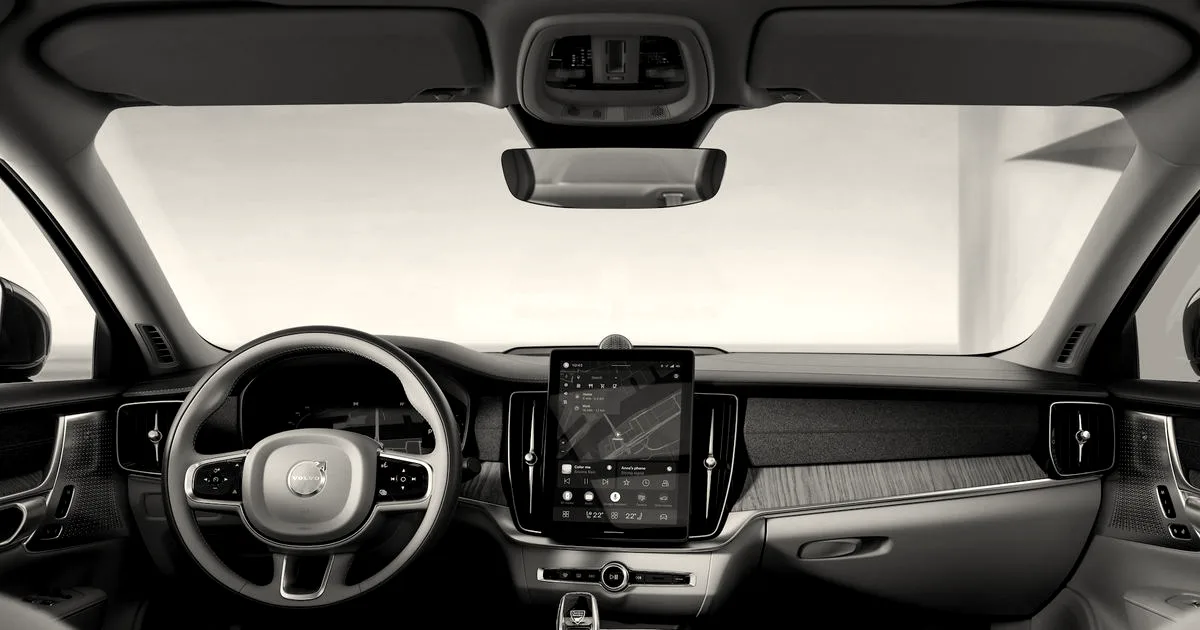
Volvo Cars has reached an agreement with the Trump administration that allows the Swedish automaker to continue selling its vehicles in the United States. On Tuesday, the company announced it received a “specific authorization” from the U.S. Department of Commerce to continue importing and selling its vehicles. Unlike a general exemption—which would broadly excuse an entire category of products or companies from a regulation—this specific authorization is a targeted regulatory permission granted exclusively to Volvo. The decision allows the company to bypass a looming ban on Chinese-connected vehicle technology that threatened its American operations.
The restrictions stem from rules finalized by the Biden administration in January 2025. Those regulations blocked vehicles equipped with software and hardware developed and maintained by Chinese companies over national security concerns. The regulatory timeline targets “connected car tech”—which includes software for syncing mobile phones and automated driving features—beginning with 2027 model-year vehicles. A subsequent ban on connected hardware is scheduled to take effect with 2030 model-year vehicles. Because Volvo is majority-owned by China’s Geely Holding, its vehicles would have faced a total import and sales ban under these rules.
Volvo stated that the U.S. Department of Commerce approval followed “constructive discussions” regarding the company’s corporate governance, technology, and data security. The authorization clears the way for Volvo to proceed with its U.S. manufacturing and expansion plans. In September 2025, the automaker announced plans to bring its XC60 midsize SUV and a new hybrid vehicle into production at its factory in South Carolina. Additionally, Volvo plans to move all production of the Polestar 3—an electric vehicle from its sister company Polestar—to the same South Carolina facility.
While Volvo secured its individual authorization, the broader federal rule remains a major barrier for other firms with Chinese ties. The regulation prohibits Chinese companies from testing autonomous vehicles in the United States. This restriction directly impacts several autonomous vehicle companies that currently hold permits to test their technology in California, including Baidu’s Apollo Autonomous Driving LLC, Pony.ai, and WeRide.
Why it matters
The authorization allows Volvo to maintain its U.S. market presence and manufacturing expansion despite broader geopolitical tensions regarding Chinese-connected vehicle technology.