Apps & Consumer
Tooth Fairy Tracker brings interactive video to lost teeth
Tooth Fairy Tracker offers interactive video updates for children losing teeth and plans to launch a subscription-based, personalized experience in 2026.
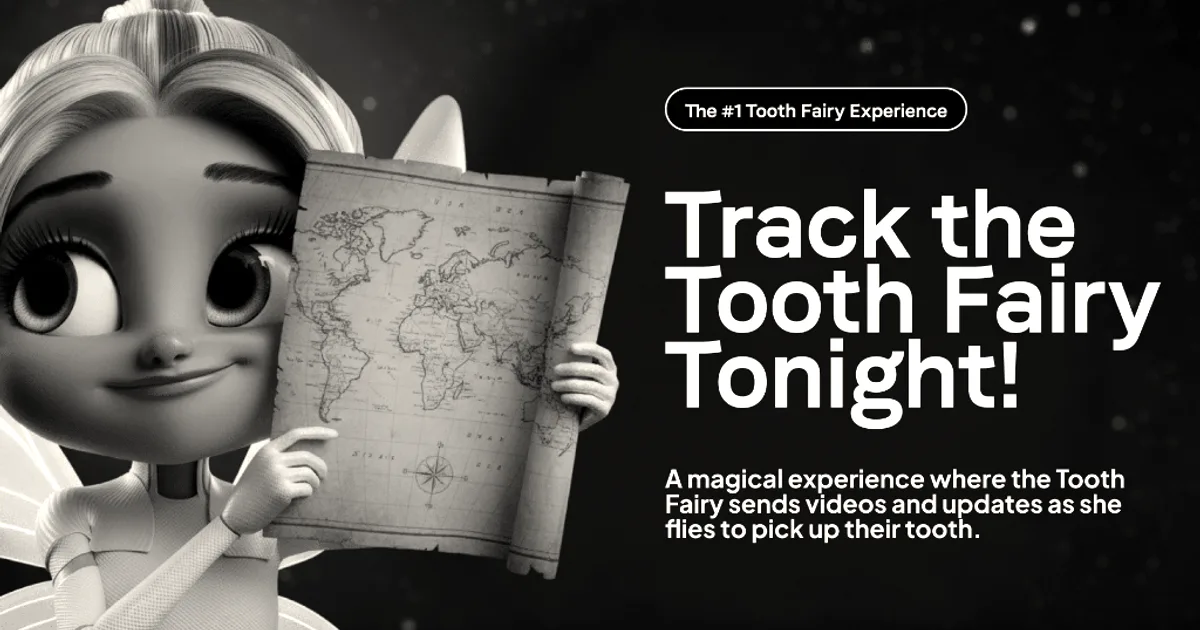
The traditional tooth fairy experience is getting a digital update. Tooth Fairy Tracker, a web-based service that launched its website in October, provides interactive video updates for children when they lose a tooth. The service features a central character named Kiki the Tooth Fairy, who guides children through the experience. When a child loses a tooth, the tracker offers video updates throughout the process. Parents can enter their email on the website to receive notifications as Kiki begins her mission. Throughout the evening, children receive video updates showing Kiki preparing for her journey, departing from headquarters, and traveling to collect the tooth. These updates may include flight speed information, vlog-style check-ins, and selfies, with countdowns to each new video hosted entirely on the site.
The service is currently gearing up to launch a redesign of its website soon. Founder Oliver Finel explained that the upcoming changes will feature “a more playful design and a few added details to make it more immersive for kids.” Looking further ahead, Finel is preparing to launch a revamped version of the tracker in 2026. This enhanced experience is planned to feature more personalization for users, such as Kiki saying each child’s name, mentioning their hobbies, and including their photo in every video. Children will also receive custom certificates for each lost tooth, alongside upcoming oral-care videos where Kiki teaches healthy brushing habits. The upcoming version will be available via a new subscription priced at $20, which will include six Kiki visits.
Beyond the core tracker, Finel hopes to partner with pediatric dentists so dental offices can offer the Kiki the Tooth Fairy experience to young patients. Under this plan, pre-appointment videos would help ease anxiety, while post-visit rewards would encourage children to return to the dentist. Additionally, long-term roadmap plans include branded toothbrushes and toothpaste. These products would be accompanied by personalized videos of Kiki choosing the bristles, picking colors, and assembling the items.
As the service grows, Finel plans to adapt the product for families in Latin America and Western Europe. This adaptation involves accounting for regional variations of the tradition, such as the “Tooth Mouse”—a cultural variation of the tooth fairy that is popular in France, Spain, and Russia. Through these plans, Finel aims to bring the experience to families in these regions in addition to the U.S.
Why it matters
The Tooth Fairy Tracker aims to modernize the tooth fairy tradition for Generation Alpha—the demographic cohort born roughly between 2010 and 2025—by providing interactive, video-based experiences that help motivate children to brush their teeth.