Markets & Business
Tesla deliveries beat expectations in second quarter
Tesla delivered more than 480,000 vehicles in the second quarter, beating financial market expectations and signaling a potential reversal of a two-year sales decline.
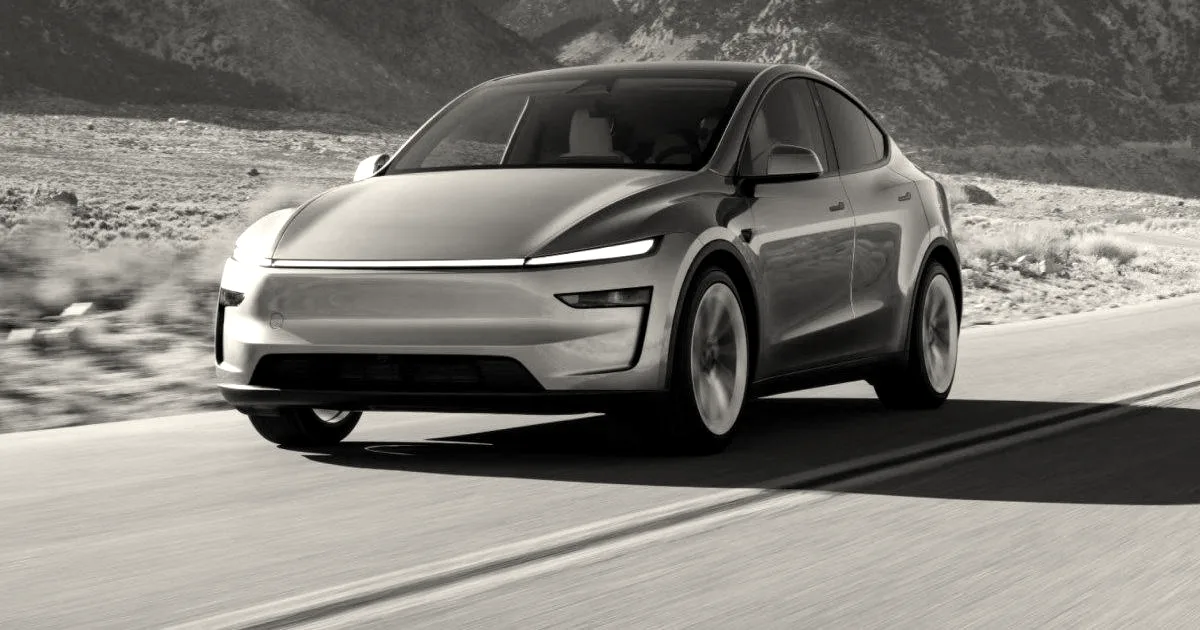
Tesla announced on Thursday that it delivered more than 480,000 vehicles in the second quarter of 2026. This total represents an increase of more than 120,000 vehicles compared to the company’s delivery numbers from the first quarter of the year. The surge in deliveries indicates that the electric vehicle manufacturer is maintaining its ability to attract new buyers, even as the broader U.S. electric vehicle market experiences a downturn. The quarterly performance easily outpaced the expectations set by financial markets and the analyst community, which closely monitor the company’s delivery metrics as a benchmark for overall demand. This achievement also marked the company’s best second quarter by raw delivery numbers in its history, providing a significant boost to its quarterly performance.
In terms of manufacturing, Tesla built 451,758 vehicles during the second quarter. The vast majority of this production run consisted of the company’s sedan and SUV offerings, while deliveries of its other models made up the remainder of the quarterly volume. The production and delivery breakdown for the period includes:
- Model 3 and Model Y: Tesla built 442,936 of these vehicles. The company delivered 467,762 of these models to customers during the quarter.
- Other models: Tesla delivered 12,364 vehicles from its other product lines. This category includes the Cybertruck, as well as final-production Model S sedans and Model X SUVs. These production and delivery figures highlight the company’s operational focus on its high-volume vehicle lines.
The second-quarter results mark Tesla’s strongest performance for overall sales since the third quarter of 2025, a period in which the company shipped just shy of 500,000 vehicles to customers around the world. Despite this positive quarterly jump, Tesla continues to face an uphill battle to stop a broader, two-year trend of declining overall sales. To reverse this downward trajectory, the company is actively pursuing a strategy centered on geographic expansion and the introduction of cheaper vehicle models. Specifically, Tesla is attempting to buck the declining sales trend by offering more affordable versions of the Model 3, Model Y, and Cybertruck to appeal to a wider range of consumers.
Why it matters
Tesla’s second-quarter performance suggests the company is finding ways to navigate a two-year sales slump by leveraging geographic expansion and more affordable vehicle models, effectively outperforming market expectations.