Policy & Regulation
NHTSA demands AV fixes for emergency-vehicle interference
The US National Highway Traffic Safety Administration directed every autonomous-vehicle developer to fix vehicles that fail to detect and respond to emergency scenes, demanding solutions by month's end.
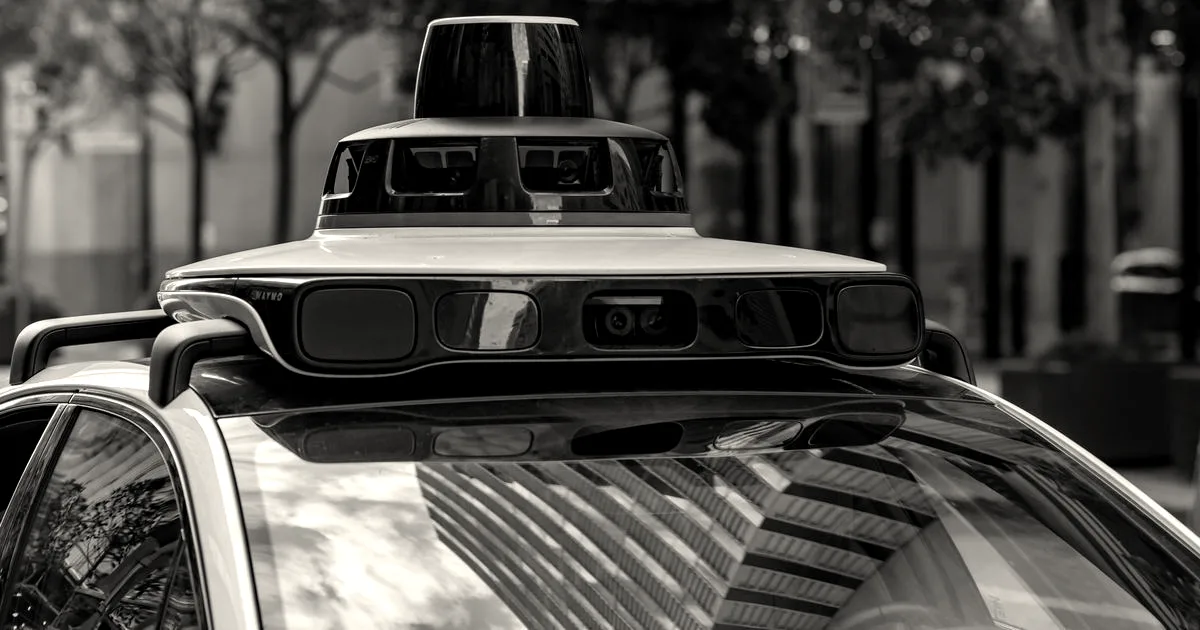
NHTSA administrator Jonathan Morrison this week issued a directive to autonomous-vehicle developers and operators, saying it is unacceptable for their vehicles to interfere with first responders or law enforcement. “Let me be clear: the inability to detect and appropriately respond to such situations represents a functional insufficiency. Emergency scenes are not rare or extreme ‘edge cases.’ As such, NHTSA is today issuing a call to action for AV developers and operators to immediately focus their resources on fixing this issue,” Morrison wrote. NHTSA has demanded that companies present the agency with “solutions” by the end of the month.
The letter does not name any specific robotaxi company and was sent to every AV developer listed in the Department of Transportation’s Standing General Order. Still, it seems aimed in part at Waymo, which operates the largest robotaxi fleet in the United States, with vehicles in cities including Los Angeles, Phoenix, and San Francisco. A previous TechCrunch investigation found that Waymo has had repeated run-ins with first responders.
Scrutiny has intensified at the local level, too. San Francisco supervisor Bilal Mahmood said he plans to submit a letter of inquiry to examine how autonomous vehicles affected public transit services and emergency responders following a July 4 fireworks show that produced massive gridlock. Local news outlets reported that numerous Waymo robotaxis had to be towed after running out of power during the lengthy traffic jam. Whether Morrison’s directive will carry substantive consequences for AV developers remains hard to tell at this point.
Separately, the federal government’s updated 2026 Regulatory Plan and Unified Agenda, released last week, includes a long list of proposed changes to Federal Motor Vehicle Safety Standards (FMVSS) — the rules governing vehicle design and equipment. Those changes could help AV companies such as Tesla and Zoox, which are developing vehicles without steering wheels, pedals, or other features required on human-driven cars. The pressure also lands amid shifting dynamics between Waymo and its ride-hailing partners: the Uber-Waymo robotaxi partnership in Phoenix has already ended, while partnerships in Atlanta and Austin continue for now, with Uber executives taking not-so-subtle shots at Waymo even before those remaining ties wind down.
Why it matters
A federal regulator publicly pressuring AV developers over emergency-response failures raises the stakes for robotaxi operators as they expand into new cities, with Waymo in particular caught between regulatory scrutiny and a fraying partnership with Uber.