Markets & Business
SpaceX stock slips to $135 IPO price ahead of Starship test
SpaceX shares fell to just above $135 on Wednesday — the price set at its blockbuster June 12 IPO — a month into a steady decline.
SpaceX’s shares fell to just above $135 on Wednesday, the price CEO Elon Musk and the company chose ahead of its blockbuster June 12 IPO, which raised nearly $86 billion. The stock spent much of the day below that IPO price, at one point dipping beneath $133 per share, before trading back up to close at $135.27.
Wednesday’s dip capped a steady decline in the month since SpaceX went public. The stock initially climbed to more than $200 in the days after the IPO, briefly giving the company a valuation that rivaled tech giants like Amazon and Microsoft, before losing value basically every week since that high point.
Some of the volatility traces to the fact that just 4% of SpaceX’s total shares trade on the Nasdaq. That small “float,” combined with an immense amount of constant attention on the company, has produced wild swings during the stock’s first month of trading. Markets also appear to be sobering up on Musk’s grand vision for the company, part of a broader deflation in tech stocks over the past month — and it isn’t just the stock: bonds SpaceX sold in the wake of the IPO are suffering too.
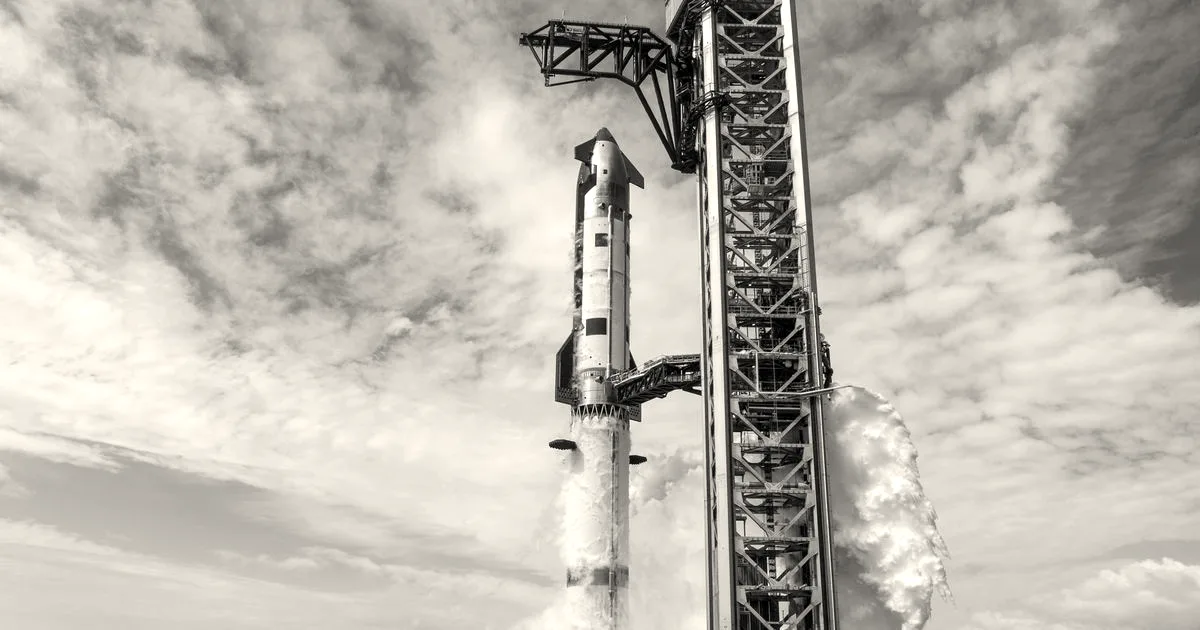
A prolonged downturn for SpaceX would carry wider implications, since the stock price is a sign of how investors view the otherworldly promises Musk has made about what the company can accomplish. The IPO has also set the stage for other Big Tech names like Anthropic and OpenAI to go public — both have filed confidentially, though neither has set a date — and SpaceX’s stock is being watched closely as a gauge of how successful those offerings could be. SpaceX faces another early test of that durability on Thursday, when it test-launches its Starship rocket for the first time since the IPO, and the first Starship flight since a booster failure in May. Starship remains deep in development and prone to failures, the result of SpaceX’s “fly, fail, fix” approach; once again, the company does not plan to try to recover the booster or upper stage, instead having them simulate a landing in the Gulf of Mexico — meaning both parts of the rocket system will end in an explosion no matter what, even absent any problems during the flight.
Why it matters
Thursday’s Starship test doubles as an early read on investor confidence in SpaceX post-IPO, a signal that Anthropic and OpenAI — both preparing confidential IPO filings of their own — are likely watching closely.