Startups & Funding
SkyFi raises $12.7 million to scale satellite imagery analytics
Austin-based SkyFi raised $12.7 million in Series A funding to expand its platform, which provides analytics and insights from more than 50 geospatial imagery partners.
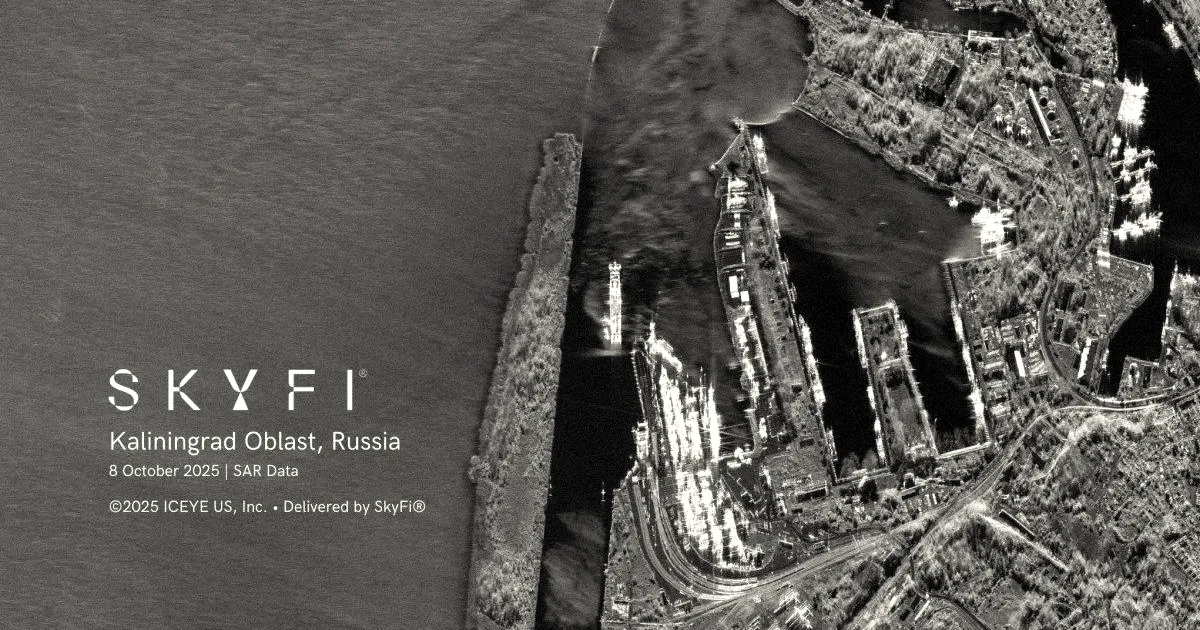
Austin-based satellite imagery platform SkyFi has closed a $12.7 million Series A funding round. The investment marks a strategic shift for the company, moving from operating a platform that acts as a “Getty Images” for its geospatial imagery partners to providing analytics and insights for both government and commercial customers.
The startup initially sought to raise about $8 million. However, following strong investor demand in 2025—which Fischer noted was a record year for defense-related investments—SkyFi upped its fundraising target to $10 million, and then to $12 million, before ultimately closing the round at $12.7 million.
The funding round was co-led by:
- Buoyant Ventures, a climate-focused investment fund
- IronGate Capital Advisors, an investment firm focused on dual-use companies—technology with both commercial and military applications
Other participants in the round included:
- DNV Ventures, the investment arm of the 160-year-old maritime company DNV
- Beyond Earth Ventures, a space-focused investment firm
- TFX Capital, an investment firm with defense-related space investments
SkyFi aggregates data from more than 50 geospatial imagery partners orbiting the Earth. According to CEO Luke Fischer, who co-founded the company with Bill Perkins, this network gives SkyFi the largest virtual constellation of assets. Perkins’ background in the hedge fund world helped drive the company’s emphasis on generating actionable insights from this data. The platform allows users to task satellites—the act of requesting a satellite to capture an image of a specific location—directly from their devices.
Fischer, who previously helped lead Uber’s Elevate division, compared SkyFi’s data feedback loop to Uber’s model of layering different transport products based on user movement data. By analyzing what customers are looking at, SkyFi has built analytical offerings tailored to commercial and government demand.
Fischer emphasized that the company’s value lies in delivering actionable answers rather than just raw imagery. “I think the real goal for us is providing answers for customers, both government and commercial,” Fischer said.
Why it matters
SkyFi’s transition from a simple imagery marketplace to an analytics-driven platform highlights the growing commercial and government demand for actionable intelligence derived from Earth observation data. As satellite imagery becomes increasingly commoditized, the value in the space sector is shifting from raw data acquisition to software-enabled analysis.