AI & Models
George Hotz stakes out an extreme stance on AI freedom
Comma AI founder George Hotz argued a truly aligned AI should follow any user instruction, comparing it to a gun that doesn't object to how it's used.
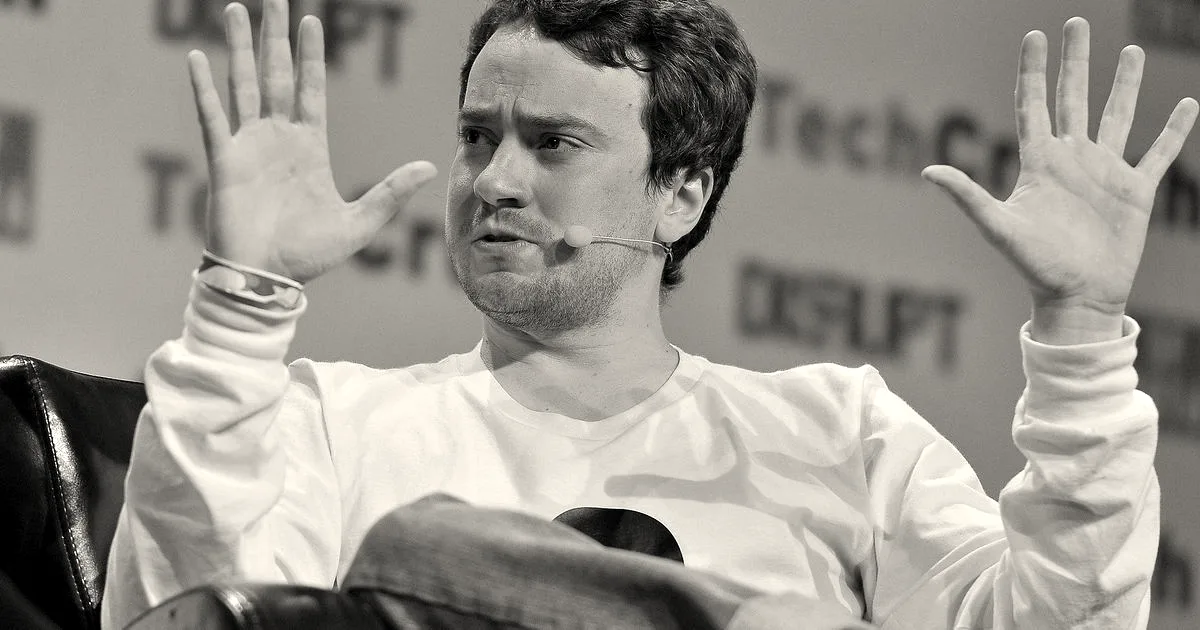
Comma AI founder and longtime jailbreaker George Hotz published a post over the weekend pushing back on a wave of AI alignment proposals, including “AI 2040: Plan A,” a policy paper from the AI Futures Project that envisions the world’s AI researchers collectively slowing development for 14 years for the good of humanity.
Hotz rejects the premise that AI progress should be managed for the collective good. He argues that the “fast-takeoff” scenario — in which AI rapidly gains superhuman abilities — doesn’t hold up, and says the better approach to AI alignment and safety is locally controlled AI models closely aligned with the interests of their individual users, rather than centrally managed services.
To make his point, Hotz compared a user-aligned AI to a gun, which, he said, doesn’t object if someone uses it to kill their stepmother. He said a truly aligned AI would be willing to help a user order meth-lab equipment from Amazon Prime and explain how to use it, if that is what the user asked for. He added that he would die to defend the principle. “We either live in a world with freedom or we don’t,” Hotz wrote.
The remarks landed amid a broader argument over whether AI products should be built primarily around centrally hosted models such as Claude and ChatGPT, or around smaller, personally controlled systems — an approach the DIY project OpenClaw once tried to popularize. Centralized hosting has largely won out so far because state-of-the-art models are expensive to run and most users do not interact with them often enough to justify a fully personal AI, though that calculus could shift as the technology matures.
Not everyone accepts Hotz’s framing. Structures that involve large numbers of people — societies, marketplaces, companies — require balancing competing interests and building in accountability; critics of a pure-freedom approach argue that deploying mass-market AI products without any such guardrails means disregarding the people who could be harmed by how others use them.
Why it matters
The exchange captures a real fork in AI safety thinking: centrally governed models built for collective safety versus personally aligned models built to serve the individual user without restriction, a divide that could shape how the next generation of AI products gets built.