Chips & Hardware
Europe approves Science Corp.'s vision-restoring eye implant
Science Corporation's PRIMA implant, which restores vision lost to age-related macular degeneration, has won EU approval, plus a US FDA designation that could extend it to two rare blindness types.
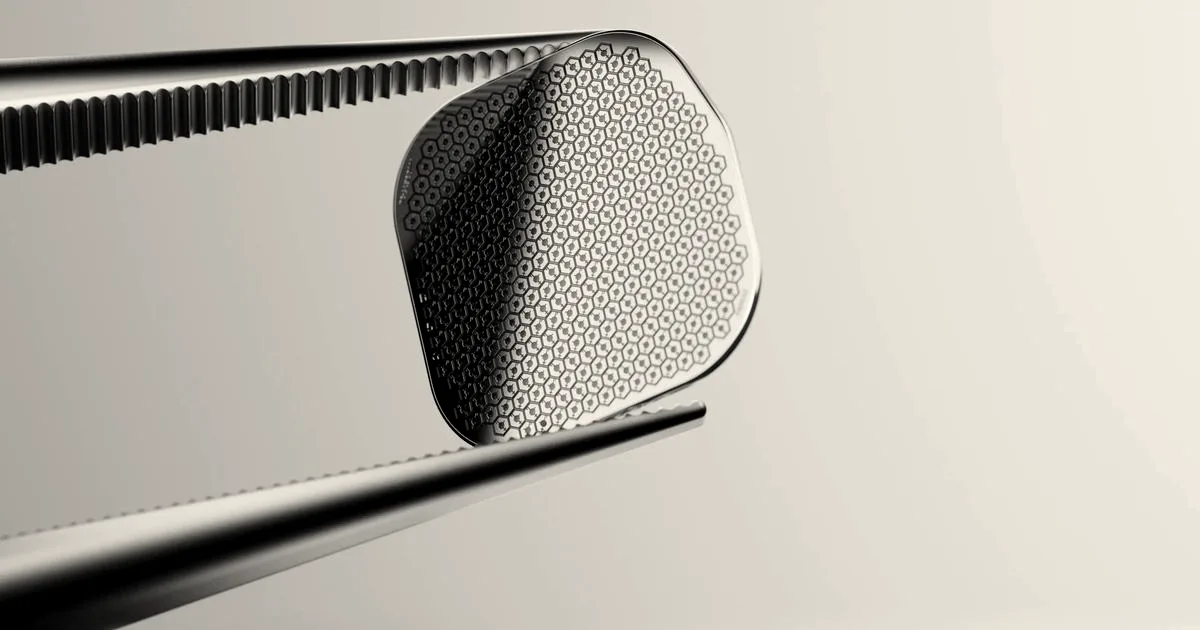
Science Corporation, the brain-computer interface (BCI) startup founded by former Neuralink co-founder Max Hodak, has won approval from Europe’s medical device regulator to sell PRIMA, an implanted chip that restores vision lost to age-related macular degeneration. The company also said PRIMA received a designation from the US Food and Drug Administration (FDA) that is a first step toward an expedited regulatory review — a pathway that could eventually see the device used to treat two rare kinds of blindness.
Age-related macular degeneration destroys the light-sensitive cells at the back of the eye, making it difficult for millions of people around the world to read or recognize faces. To use PRIMA, patients undergo an hour-long outpatient procedure to implant a small chip behind the eye, then wear camera-equipped glasses that transmit a view of the world to the chip. Hodak said the device gives patients functional vision they had lost: “One of our patients in France finished a 300-page novel a little while ago, and sent us the book,” he told TechCrunch, adding that patients have drawn sketches of the Sydney Opera House and played crossword puzzles and Sudoku.
Hodak co-founded and served as president of Neuralink, Elon Musk’s BCI company, before leaving in 2021 to start Science Corp. with plans to build a hybrid silicon-and-living-cell BCI. He said the company first needed to prove its processes and build a sustainable business, warning of the risk that the sector “enters a winter” without one. Science Corp. acquired Pixium, the French company that originally developed the PRIMA technology, in 2024, then used its internal platform to prepare the device for regulatory approval and commercialization.
Each PRIMA device is expected to cost in the hundreds of thousands of dollars, and Science Corp. and its European medical partners are in discussions with healthcare providers over reimbursement. The company is preparing to launch PRIMA in Germany, where its clinical trials were held, with the first procedure possibly coming in September. Science Corp. plans to keep improving PRIMA’s vision capabilities with a new chip and a lighter glasses design — the current version requires a battery pack. The goal, Hodak said, is to eventually offer something like Meta’s AR glasses, though PRIMA’s power and compute needs are currently far greater. Separately, Science Corp. is working with Yale Medical School neurosurgery chair Dr. Murat Günel on human trials for a directly implanted bio-hybrid brain sensor.
Why it matters
Hodak said bringing PRIMA to market is the most important thing for the company, since the vision business is what finances Science Corp.’s longer-term bio-hybrid brain-interface research — the kind of steady revenue investors can model, in a sector still searching for its first sustainable business.