Policy & Regulation
Rivian sues US government for a full refund of Trump tariffs
Rivian filed suit against the US government seeking a full refund of tariffs the Supreme Court has ruled unconstitutional, joining a wave of companies pursuing similar claims.
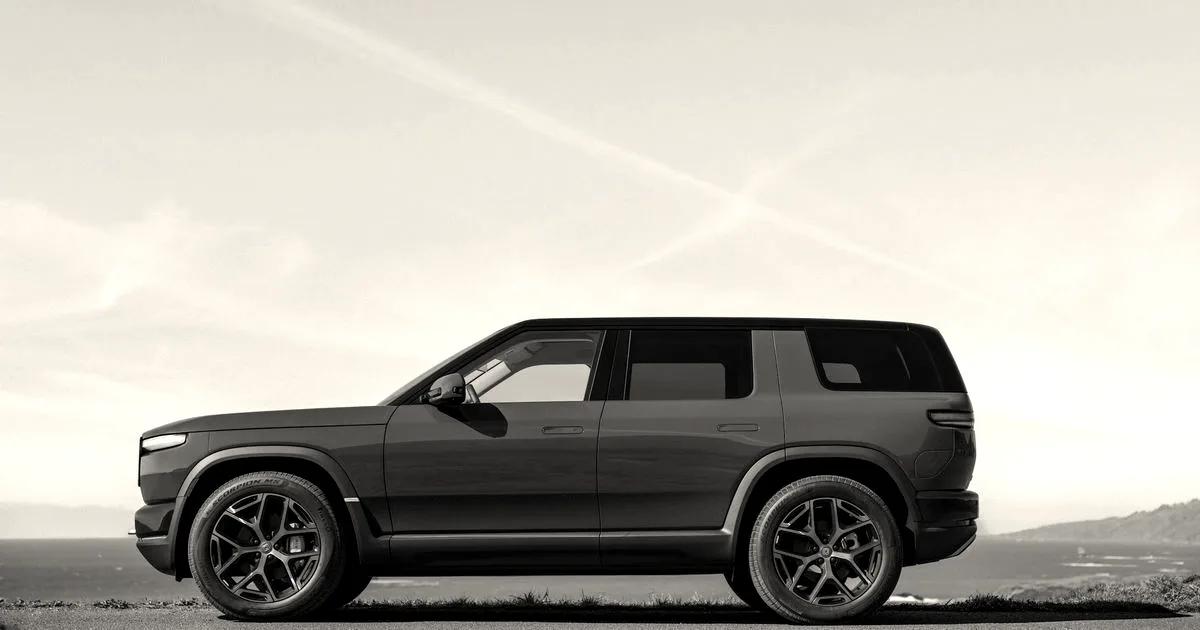
Rivian has sued the U.S. government seeking a “full refund” of tariffs it paid under President Trump’s “Liberation Day” duties, which the Supreme Court later ruled unconstitutional. The electric-vehicle maker joins a long line of companies seeking similar refunds; in April, Rivian CFO Claire McDonough said she expected the company stood to reap a refund in the “tens of millions of dollars.”
The lawsuit, filed Thursday in the U.S. Court of International Trade, names the U.S. government, U.S. Customs and Border Protection (CBP), and CBP commissioner Rodney Scott as defendants. CBP collected the tariffs on behalf of the Trump administration, which had tried to justify them under the International Emergency Economic Powers Act (IEEPA). CBP told TechCrunch that more than $121 billion in potential and certified refunds has been accepted for processing, though it did not comment specifically on Rivian’s suit. Earlier this month, the Cato Institute wrote that only $71 billion had actually been paid out, arguing the gap points to friction built into the refund process that has created obstacles for importers seeking their money back.
Rivian’s complaint argues a court order is still necessary despite the Supreme Court’s ruling. “Although the Supreme Court invalidated the tariffs, this separate action remains necessary because importers that have paid IEEPA tariffs, including Plaintiffs, are not guaranteed a refund of amounts previously paid based on the Supreme Court’s decision,” Rivian’s lawyers wrote in the complaint. The company is asking the trade court to declare the tariffs contrary to law, order a refund with interest, and cover its court fees. Rivian did not immediately respond to a request for comment.
The suit lands as Rivian is in the middle of rolling out its first mass-market SUV, the R2, of which it expects to ship around 20,000 to 25,000 units by the end of this year — a launch the company hopes will finally push it to profitability, though that milestone may not arrive until 2028 as it also pours money into developing autonomous vehicles. Rivian recently sold shares to raise around $1.3 billion to pad its cash balance in the meantime. CEO RJ Scaringe told Reuters last year that he expected the tariffs to raise the cost of each vehicle by a couple of thousand dollars; by the end of 2025, he said the company had cut that impact to the low hundreds of dollars.
Why it matters
A favorable ruling would hand Rivian tens of millions of dollars just as it funds the R2 ramp and autonomous-vehicle development without further diluting shareholders, and it adds pressure on Washington over a tariff-refund process that outside researchers say is moving slower than the government’s own numbers suggest it should.