Apps & Consumer
Ring attempts to reframe privacy narrative after Super Bowl ad
Ring CEO Jamie Siminoff is attempting to reframe privacy concerns surrounding the company's surveillance features, though critics remain skeptical of the company's expanding data footprint.
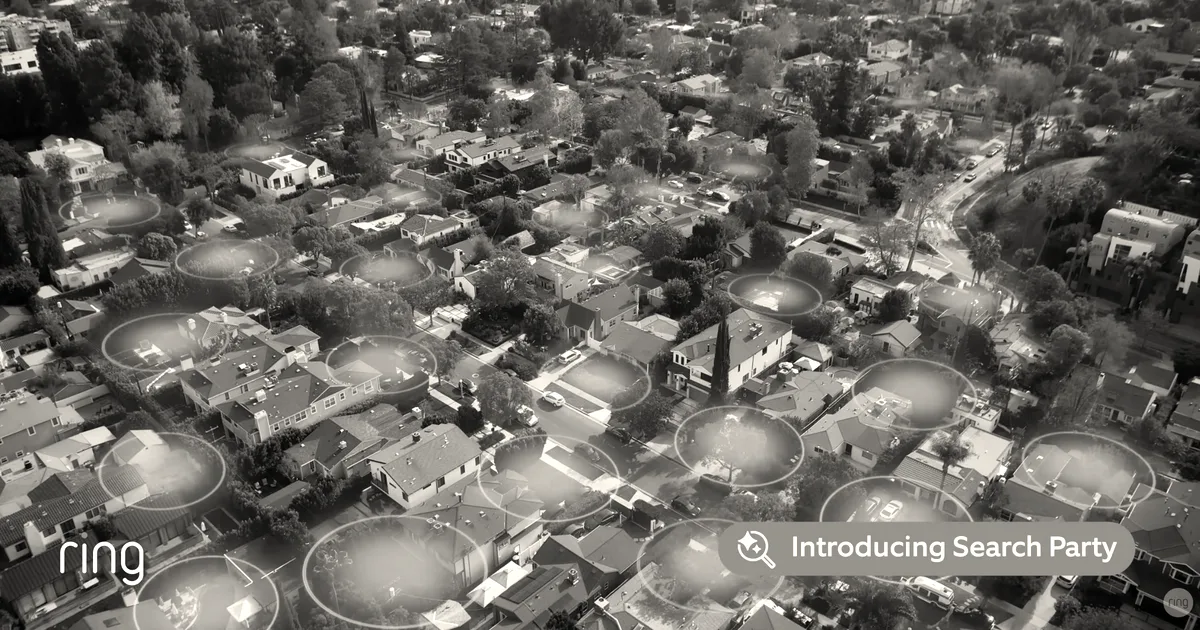
Ring founder and CEO Jamie Siminoff is actively working to reframe the narrative around the company’s privacy practices following backlash to a Super Bowl ad that aired in February. The commercial introduced Search Party, a feature that uses Ring camera footage to help find lost dogs. Siminoff believes critics misunderstand what the company is building, arguing that doing nothing counts as opting out of the feature. He acknowledged that the ad’s visual showing pulsing blue circles was a mistake, noting that it was not the company’s job to poke anyone for a response. However, the defense has drawn criticism, with some observers accusing Siminoff of using a kidnapping to sell more of his products.
The company faces scrutiny over the trade-offs between its privacy features and AI capabilities. Ring asserts that its employees cannot view footage when end-to-end encryption is enabled. However, enabling this encryption disables key tools, including Familiar Faces, a feature that catalogs up to 50 frequent visitors. “Amazon does not access that data,” said Ring founder and CEO Jamie Siminoff, though he noted that the company could potentially offer an opt-in feature for this in the future if costs make sense. He also stated that Ring is definitely not working on license plate detection today, though he did not rule out exploring it in the future.
Siminoff’s defense of surveillance as a social good clashes with broader national concerns in the US. He pointed to the case of Nancy Guthrie, an 84-year-old who vanished from her Tucson home in late January. Footage from a Google Nest camera at the property showed a masked figure trying to smother the lens with foliage. Siminoff argued that if there were more cameras on the house, they might have solved the kidnapping case, noting that Ring’s network turned up footage of a suspicious vehicle two-and-a-half miles from the Guthrie property. Ring currently has more than 100 million cameras in the field.
This expansion occurs alongside growing public anxiety regarding federal surveillance reports involving agencies like the DHS (US Department of Homeland Security). In late January, a constitutional observer trailing an ICE (US Immigration and Customs Enforcement) vehicle in Minneapolis described a masked federal agent photographing her and calling out her personal details. Meanwhile, Ring has adjusted its partnerships. The company relaunched its Community Requests feature in September through a partnership with Axon (a police body camera and taser manufacturer), following an initial partnership announcement in April of last year. Siminoff rejoined Ring shortly before that announcement, having stepped away in 2023. Ring also ended its partnership with Flock Safety (a license plate reader company) due to workload, shortly after the Super Bowl ad aired.
Why it matters
Ring is balancing its expansion into enterprise security and AI-powered features with growing public discomfort over its role in the broader US surveillance apparatus.