Apps & Consumer
OpenAI shuts down Atlas browser to focus on ChatGPT features
OpenAI is sunsetting its Atlas browser, redistributing its agentic browsing features into ChatGPT's desktop app and a Google Chrome extension.
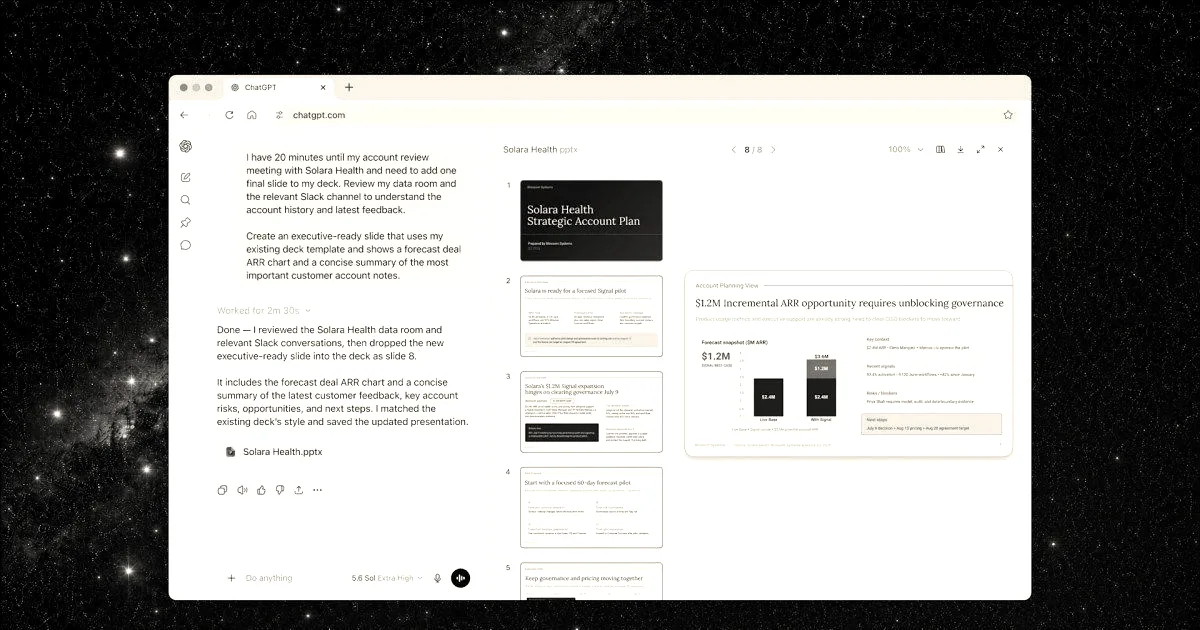
OpenAI is sunsetting Atlas, the AI-powered browser it launched in October with ChatGPT at its core, and is redistributing the agentic browsing features it tested there — AI agents navigating and performing tasks on the web on a user’s behalf — across ChatGPT’s desktop app and a new Google Chrome extension.
The shutdown comes a few months after Fidji Simo, OpenAI’s former CEO of applications, told the team to cut back on “side quests,” a directive that previously led the company to shut down its AI video-generation tool, Sora. The move also lands amid a broader industry contest, playing out over the past year, to unseat Chrome as the default place people spend their time online: Perplexity launched its Comet browser, The Browser Company launched Dia, and Google and Microsoft updated Chrome and Edge, respectively, with their own AI features.
After months of experimenting with Atlas, OpenAI appears to have concluded that the browser is a feature, not a destination — a rationale for folding its browser-like agent capabilities into products people already use rather than maintaining a standalone app. That shows up in two moves. First, OpenAI is launching a ChatGPT extension for Chrome that reads the context of the page a user is viewing, letting them ask questions about it, summarize it, or kick off longer tasks without leaving the browser — a direct rival to Google’s Gemini Side Panel, which handles similar tasks. Second, OpenAI is upgrading the ChatGPT desktop app itself with a more robust built-in browser that lets users browse sites, log into accounts, download files, and interact with web pages without leaving the app, alongside a separate cloud browser — a browser that runs remotely on OpenAI’s servers rather than the user’s device — where the app’s agents can complete tasks on a user’s behalf.
Taken together, the changes turn ChatGPT into a workspace that spans three surfaces at once: the Chrome extension, the desktop app’s local browser, and the remote cloud browser for agents, rather than a single standalone destination like Atlas was.
Why it matters
By retiring Atlas and distributing its agentic features into ChatGPT’s desktop app and a Chrome extension, OpenAI is signaling that it now views the browser as a feature to embed into existing workflows rather than a standalone product worth competing on directly.