AI & Models
Google updates NotebookLM with Gemini 3.5 and new research tools
Google updated its NotebookLM research tool, shifting to Gemini 3.5 as the default model and adding new features to help users build knowledge bases from chat interactions.
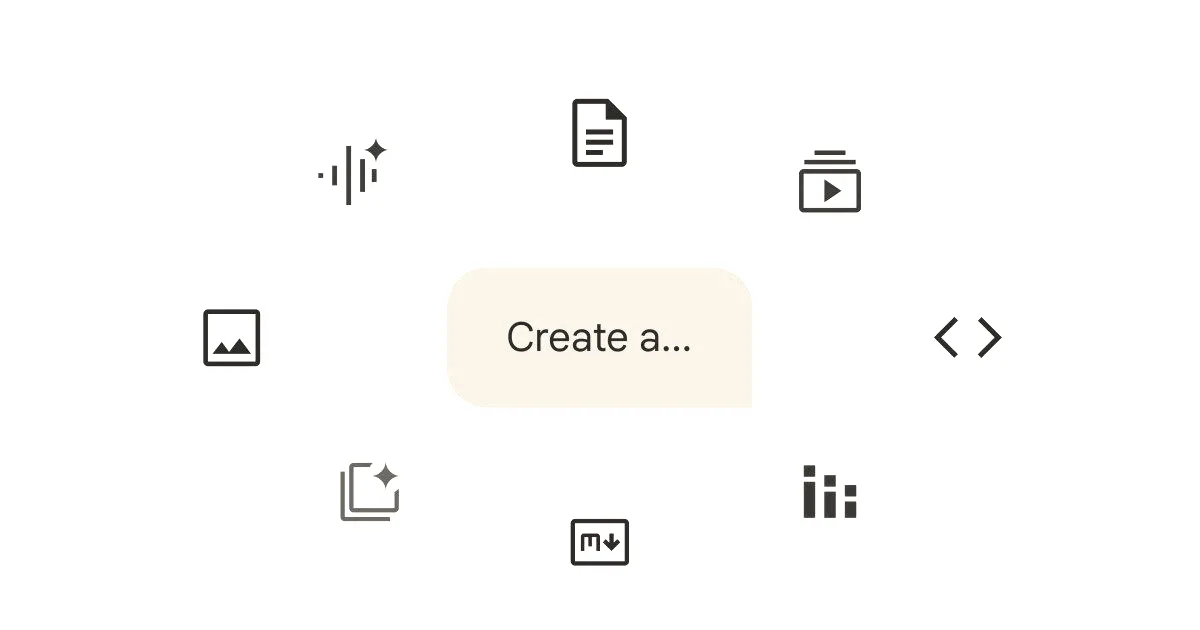
Google on Monday announced an update to its NotebookLM research tool, transitioning the platform to use Gemini 3.5 as its default model. The update aims to streamline how users build knowledge bases through chat interactions. Previously, NotebookLM required users to bring their own sources to start building a knowledge base in order to extract insights. With this update, users can start a chat about a project with the application, and the tool will assist them in building their knowledge base by suggesting different sources using its research capabilities and Google Search.
The update introduces what Google calls “Antigravity-powered software skills” designed to assist with research and output generation. To provide transparency, NotebookLM will now show detailed steps in the chat explaining how it arrived at its answers, allowing users to verify the output. This step-by-step transparency builds on Google’s previous introduction of a “Deep Research” mode last year, which was designed for structured online research. Additionally, the new features could help users obtain primary sources in other languages or locate new material from related authors.
The update also allows users to provide detailed instructions to NotebookLM to generate and edit outputs in various formats. The tool now supports exports in the following formats:
- Data visualizations and charts
- Documents
- Nano-banana-powered images
- Structured data
- Microsoft Excel and PowerPoint
These updates are currently available to Google AI Ultra users and Workspace business customers with AI Ultra Access and AI Expanded Access starting Monday. Google aims to expand these features to other users in the future.
Why it matters
This update signals Google’s push to make NotebookLM a more robust research assistant by integrating its latest model and expanding the tool’s utility for structured knowledge management.