Apps & Consumer
Deezer says AI tracks now top 50% of daily uploads
Music streamer Deezer says AI-generated tracks now account for more than 50% of daily uploads, up from just 10% in January 2025.
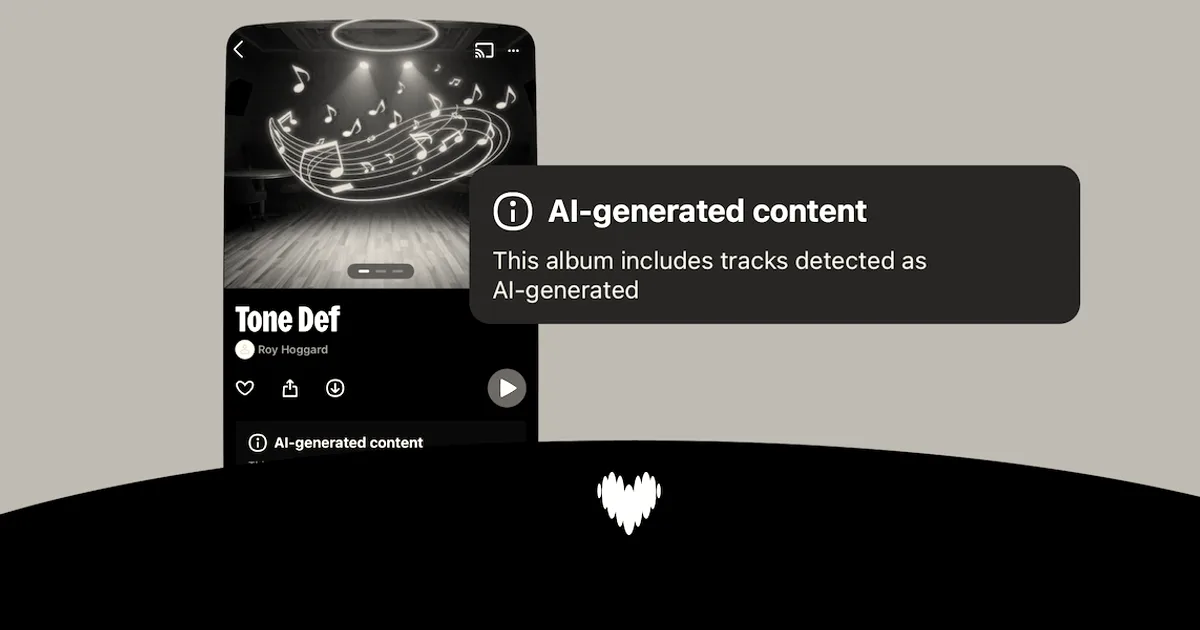
Deezer has tracked the share of AI-generated tracks uploaded to its platform since early last year, and the company says that share has risen every month since. This week, the streaming service disclosed that AI-generated music now represents more than 50% of daily uploads — the highest level yet recorded.
The climb has been steep and steady. Deezer first published these figures in January 2025, when AI tracks accounted for around 10,000 uploads per day, or 10% of the daily total. That grew to 20,000 tracks (18%) by April 2025, 30,000 tracks (28%) by September 2025, and 50,000 tracks (34%) by November 2025. The pace continued into this year: 60,000 tracks (39%) in January 2026, and 75,000 tracks (44%) by April 2026. Uploads of AI-generated tracks peaked in June 2026, when the platform recorded a monthly average of 90,000 such tracks per day.
In response, Deezer is now taking down AI-generated tracks that haven’t been streamed in the past six months, as well as tracks involved in fraudulent streaming activity used to drive up revenue. Deezer CEO Alexis Lanternier said in a statement: “Deezer has been at the frontline of fighting fraud and reducing payment dilution related to AI music for almost two years. Now that half of all daily uploads are AI-generated tracks, we are taking additional steps to safeguard the rights of artists and songwriters, while maintaining focus on music that fans actually love.”
The rapid rise of AI-generated music has forced streaming platforms to decide how much of it they want on their own services, and there’s no single industry consensus yet. Bandcamp has banned AI-generated tracks outright, while Tidal has cut off their monetization. Apple Music instead runs a voluntary AI-tagging system, and Spotify has built its own policy around disclosing how much AI was used in making a track.
Deezer began labeling AI-generated music on its platform last year, and says its detection technology can identify tracks made with models from Suno and Udio, two AI-music startups currently facing copyright lawsuits. Earlier this year, Deezer made that detection tool available to other platforms, though it’s unclear whether any major competitor is using it yet. Last month, the company also released a separate tool that scans Apple Music and Spotify playlists for AI-generated tracks.
Why it matters
As AI-generated tracks approach a majority share of what’s uploaded to major platforms, the sharply different policies streaming services are adopting — from outright bans to voluntary tagging — will shape how artists get paid and how listeners can tell AI output from human-made music.