AI & Models
Microsoft tests new agentic features for 365 Copilot
Microsoft is reportedly testing new agentic features for its 365 Copilot suite, aiming to offer enterprise-grade security controls for tasks similar to the open-source OpenClaw project.
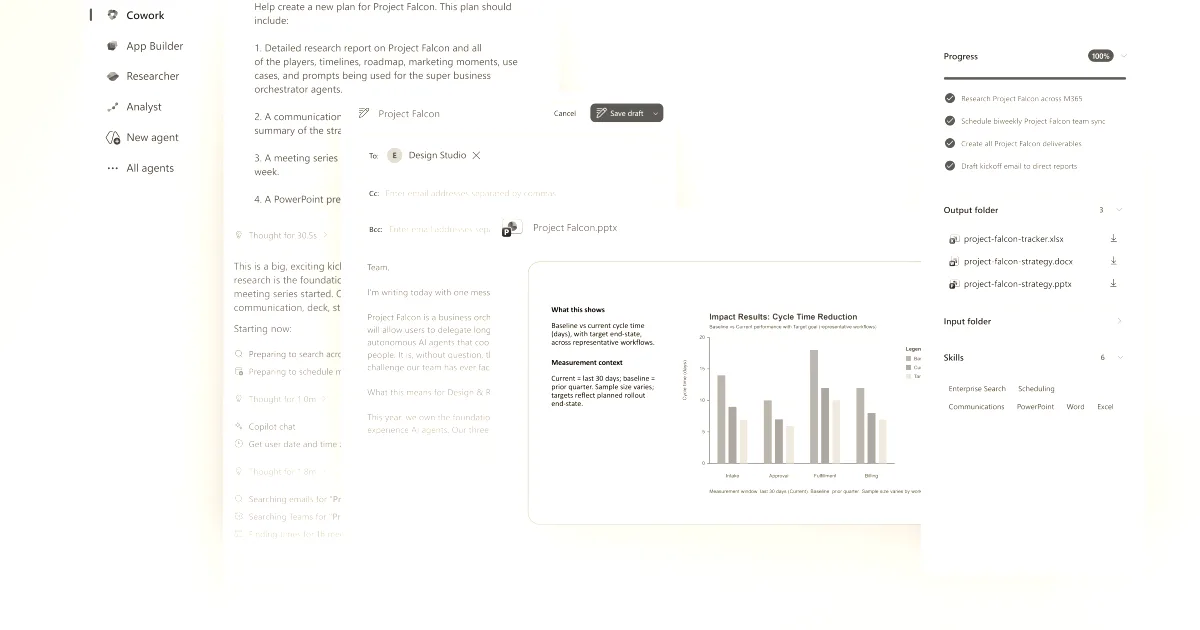
Microsoft is testing ways to integrate features similar to the open-source OpenClaw project into its existing Microsoft 365 Copilot, Microsoft’s AI-powered productivity tool. The new features, which the company confirmed to the publication The Information, would be geared toward enterprise customers. Microsoft is expected to show off this new tool at Microsoft Build, Microsoft’s annual developer conference, in June, according to a report by The Verge.
The company is positioning these upcoming features for enterprise customers by emphasizing security controls that improve upon the famously risky open source OpenClaw agent. While the open-source OpenClaw project allows users to run agents locally to perform tasks on their behalf, it presents security challenges for corporate environments. Microsoft’s integrated version would instead focus on delivering enterprise-grade security, governance, and trust for similar agentic tasks.
The integration of these features highlights a broader industry shift toward agentic AI—software capable of performing tasks on behalf of a user. While open-source tools like OpenClaw run on local hardware, they often lack the robust security protocols required by large organizations. Microsoft’s initiative aims to bring similar local-like agent capabilities into its secure enterprise ecosystem, allowing businesses to deploy autonomous workflows safely.
This development follows other agentic tools Microsoft has introduced recently. In March, the company announced Copilot Cowork, an agent designed to take actions across Microsoft 365 applications. Copilot Cowork runs in the cloud and includes an option to use the Claude model from AI lab Anthropic. Prior to that, in February, Microsoft introduced Copilot Tasks, another cloud-based agent designed to complete tasks such as organizing emails and appointments.
Unlike these cloud-based tools, the new OpenClaw-like features represent an ongoing effort to expand how Microsoft’s tools handle multi-step tasks. A spokesperson for Microsoft confirmed to TechCrunch that the company is experimenting with these capabilities. “Across our work, we are continuously experimenting as we bring broader orchestration and autonomy to our enterprise and consumer AI experiences while staying anchored in security, governance, and trust—all with the goal of reducing day to day friction so people can focus on what matters most,” the spokesperson said.
Why it matters
Microsoft is attempting to bridge the gap between the high-utility, local-agent capabilities popularized by open-source projects like OpenClaw and the security, governance, and trust requirements of enterprise environments.