Chips & Hardware
Science Corp prepares for first human brain sensor trials
Science Corp is preparing to place its first sensor in a human brain, with trials that might optimistically begin in 2027, while possibly planning to bypass FDA approval.
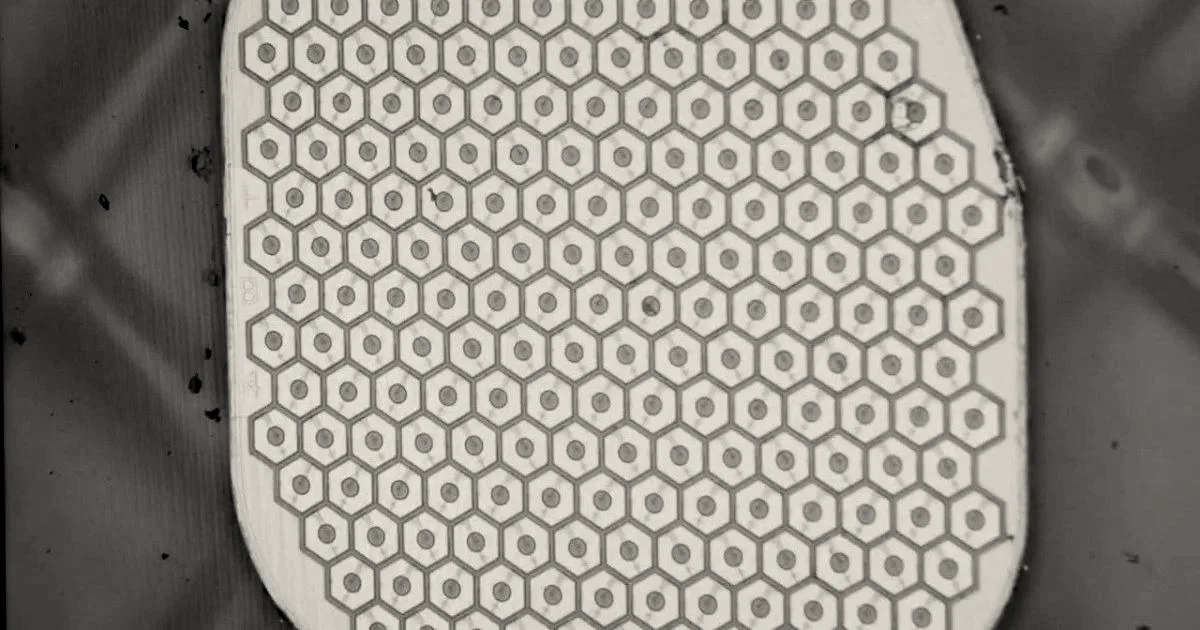
Science Corp, a startup founded in 2021 by Max Hodak, is preparing to place its first sensor in a human brain. The company has enlisted Dr. Murat Günel, chair of Yale Medical School’s Department of Neurosurgery, as a scientific adviser to lead the first U.S. human trials. For these initial trials, Science Corp possibly does not plan to seek approval from the FDA (the US food and drug regulator). Instead, the company plans to test the sensor on patients who already require brain surgery, such as stroke victims, to evaluate its safety and avoid the brain damage associated with electrodes.
The device was developed by a team of 30 researchers led by co-founder and chief science officer Alan Mardinly. It features 520 recording electrodes packed into an area the size of a pea. Unlike devices from Neuralink (the competitor company founded by Elon Musk), which are inserted directly into brain tissue, Science Corp’s sensor is designed to rest on top of the brain, inside the skull. This biohybrid approach—combining biological components like neurons with electronics—aims to establish a connection without direct tissue insertion.
Dr. Günel highlighted the potential of this biohybrid system to address various neurological conditions. The technology could eventually help treat patients suffering from ALS, spinal injuries, brain tumors, seizures, and blindness caused by macular degeneration. It could also offer new pathways for treating Parkinson’s disease. “I imagine this biohybrid system as combining those two — you have the electronics, and you have the biological system,” Günel said, explaining how combining transplanted cells with electronics might help protect brain circuits and stop the progression of the disease.
The preparation for human trials follows a $230 million Series C fundraising round completed last month, which valued Science Corp at $1.5 billion. The company previously acquired the technology for PRIMA in 2024, the same year it released a working paper showing its biohybrid device could be safely implanted in mice. While PRIMA is currently undergoing clinical trials with plans to expand in Europe, the team is now focusing on developing prototypes for this new brain sensor. Dr. Murat Günel noted that an optimistic timeline could see these human trials begin in 2027.
Why it matters
Science Corp is differentiating itself from competitors by avoiding direct brain tissue insertion, aiming to treat complex neurological conditions through a biohybrid interface.