Apps & Consumer
Lovable launches mobile app despite Apple’s vibe-coding crackdown
Lovable has launched its AI app builder on iOS and Android, seemingly complying with Apple’s security guidelines regarding vibe-coding tools that download new code.
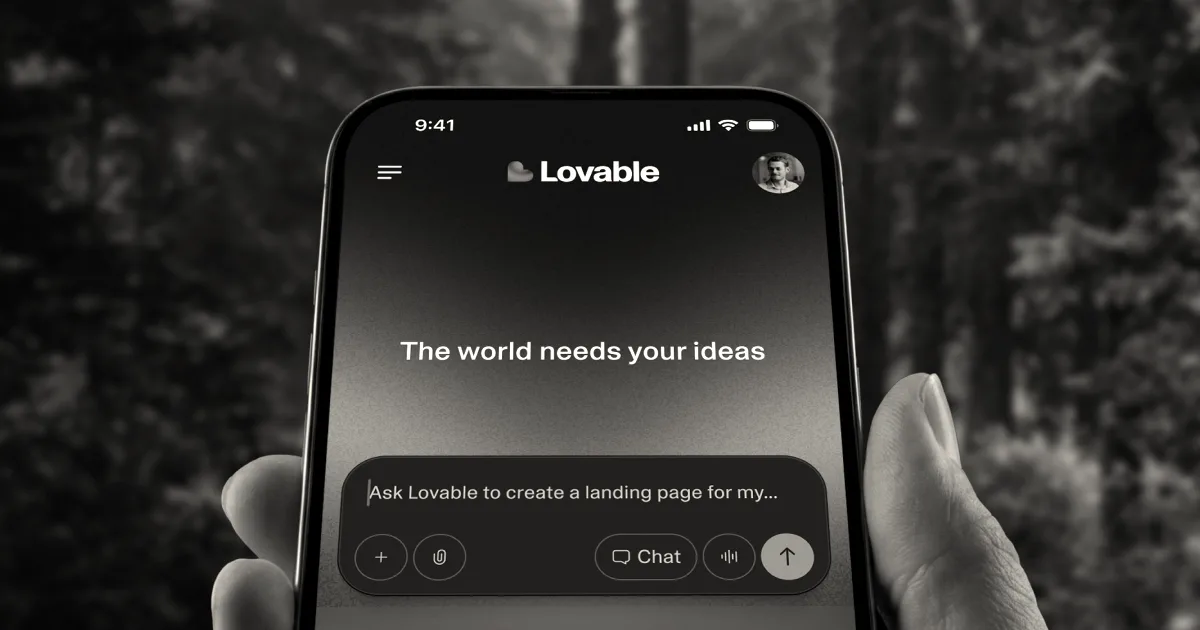
Lovable has launched its mobile application on iOS and Android, bringing its AI-powered app builder to mobile platforms. The launch proceeds despite recent regulatory actions on Apple’s App Store targeting “vibe-coding” tools—a term for AI-driven app development using voice or text prompts. The startup’s new mobile application is pitched to would-be app builders as a way to code on the go via voice or text AI prompts that let users capture ideas as they arise. This allows users to kick off Lovable to work on app ideas from anywhere, letting its agent run autonomously after receiving input. Users can also switch between mobile and desktop interfaces to continue working on projects, and receive notifications when a build is ready for review. By introducing its mobile app, Lovable has navigated a tightening environment for mobile software development tools on major application marketplaces, including Google’s platform.
The release of Lovable’s mobile application comes amid heightened regulatory scrutiny from Apple. The iPhone maker recently blocked updates to popular vibe-coding tools, including Replit and Vibecode, for violations of its developer guidelines. Apple has clarified that it is not banning vibe-coding applications entirely. Instead, the platform owner prohibits applications that download new code or dynamically change their functionality, citing security risks to end users. This policy also prevents Apple’s App Review team from properly vetting applications during the standard approval process.
To comply with these platform rules, developers of vibe-coding applications have adjusted their product architectures. Rather than running generated applications directly inside the host app, these tools now direct app previews to external web browsers. Lovable has seemingly complied with these rules by focusing its mobile application on turning user prompts into working websites or web applications viewed outside the app. This architectural shift allows Lovable to avoid the compliance issues that temporarily removed the vibe-coding app Anything from Apple’s App Store, before Anything returned to the platform earlier this month after making similar adjustments to its preview functionality.
Why it matters
Lovable’s launch demonstrates how AI-native startups are adapting their product architecture to satisfy platform security requirements while maintaining the core utility of vibe-coding tools. By shifting execution to the web, developers can bypass native platform restrictions, establishing a blueprint for how AI development tools can coexist with centralized app store gatekeepers.