Startups & Funding
Avalanche Energy wins $5.2M DARPA contract for radiovoltaics
Avalanche Energy secured a $5.2 million DARPA contract to develop radiovoltaics, which could help capture energy from fusion reactions and improve nuclear battery performance.
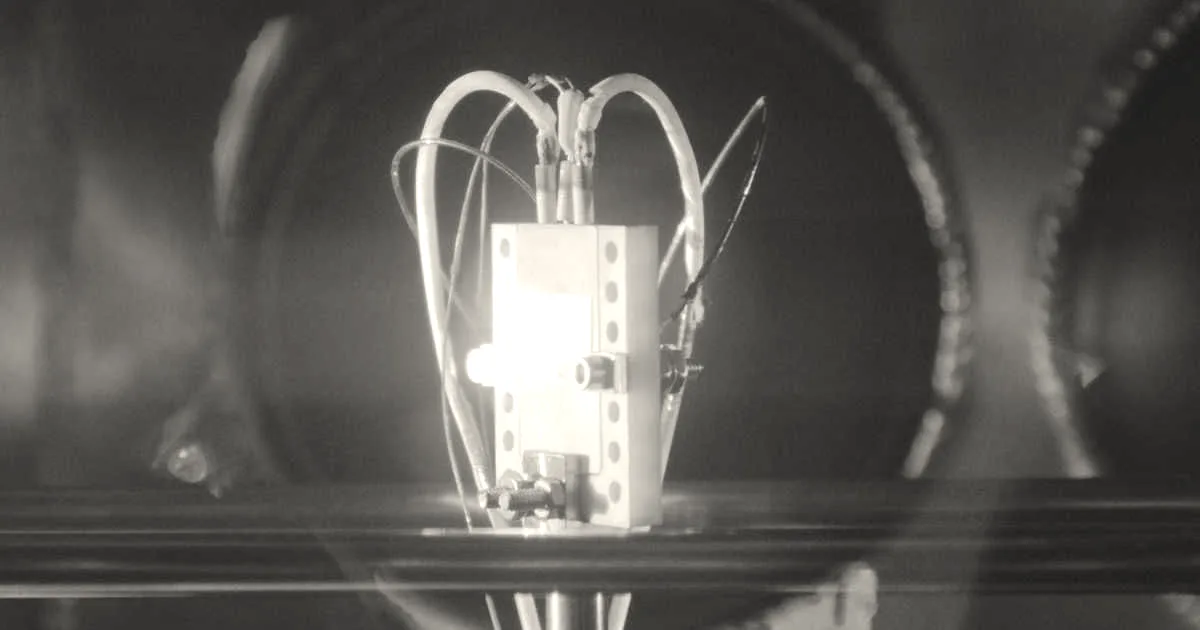
Today, Avalanche Energy was awarded a $5.2 million contract from the Defense Advanced Research Projects Agency (DARPA), a U.S. government agency, to develop new radiovoltaics. Radiovoltaics are materials that use semiconductors to transform radiation into electricity. While the concept of radiovoltaics has existed for some time, current versions are easily damaged by the radiation they harness and do not produce significant amounts of electricity. Avalanche Energy aims to overcome these limitations by developing new materials capable of capturing radiation.
The development of these materials addresses a bottleneck in the fusion power sector. While fusion reactions release massive amounts of energy by fusing lighter atoms into heavier ones, harvesting that energy efficiently remains a challenge. The most common approach of heating water to spin a steam turbine is not highly efficient, capturing at best around 60% of the power. Daniel Velázquez, materials science lead at Avalanche Energy, highlighted this gap, stating: “A fusion reactor that makes power — and there’s plenty of those, they already exist, A fusion reactor that makes electricity is better.”
To accelerate its materials discovery, Avalanche Energy also won a $1.25 million award from AFWERX, a U.S. Air Force research lab, to leverage computational advances. The company is working toward a desktop-scale fusion reactor that could replace diesel generators at remote military bases. The DARPA-funded radiovoltaic technology could also be used in nuclear batteries, which generate electricity from radioactive decay. These batteries could help power spacecraft and satellites for several years, or support energy-intensive terrestrial military applications for days on end. According to Velázquez, these applications are valuable “in particular for autonomous systems or missions where logistics are a little bit impermissible.”
A technical challenge for both fusion reactors and nuclear batteries is that their reactions produce alpha particles. This type of radiation is so energetic that it can damage all kinds of equipment, including reactor walls. If Avalanche Energy successfully develops radiovoltaics for nuclear batteries, it could apply that knowledge to create a sheathing for its fusion reactors. This sheathing would capture alpha particles, protecting the equipment while boosting electricity output. Harnessing these particles to generate electricity could potentially make commercial fusion power easier to attain as startups race to achieve breakeven, the point where the power produced by a reaction exceeds the power required to sustain it.
Why it matters
Avalanche Energy’s work on radiovoltaics could solve a critical bottleneck in fusion power by capturing energy from alpha particles. This development could potentially make commercial fusion reactors more viable by improving their efficiency and protecting their components.