Apps & Consumer
Google Vids now lets users star in AI-generated videos
Google is updating Vids to let users build a personalized AI avatar from a selfie and voice sample, and to generate AI videos with its Gemini Omni model.
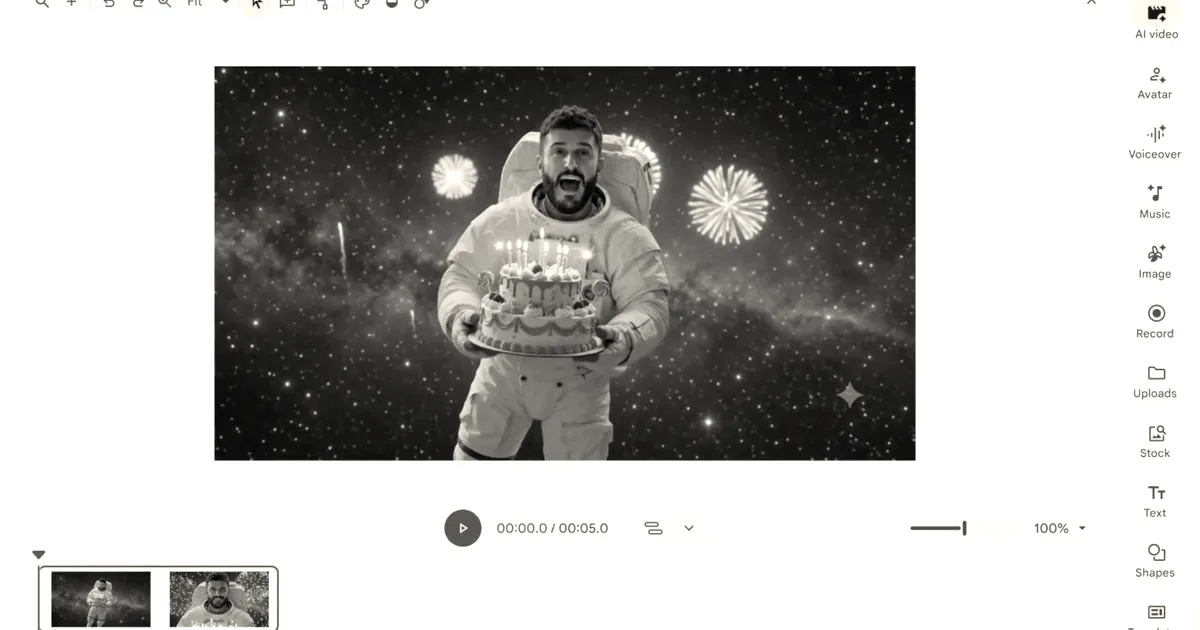
OpenAI’s Sora video-generation tool may have shut down, but Google is still betting there’s demand for AI tools that let people star in their own videos. Google announced Thursday an update to Google Vids that lets users create a custom digital avatar that looks and sounds like them, built from a selfie and a voice recording they upload.
The update also brings Google’s multi-modal AI model, Gemini Omni, to Vids, letting users generate videos by combining a written prompt with reference images they upload; Omni mixes those inputs into the resulting AI video. The model can also swap out the background or fix the lighting in a video recorded on a phone, or add effects. Omni now supports step-by-step edits too, so users can revise a video incrementally instead of starting over from scratch.
The updates push Vids beyond its original role as an AI-assisted workplace presentation tool toward an all-in-one video creation platform. Because Vids is part of Google Workspace, the update signals a business use case — company updates, training videos — but the personalized avatars and conversational editing could also put Vids in closer competition with AI video startups and tools like HeyGen, Synthesia, Captions, and D-ID.
Google says the new AI avatars will be tied to the account holder’s likeness and Google account, and watermarked invisibly with SynthID. Access to personal avatars is limited to users in certain regions who are 18 or older.
Why it matters
The move signals Google is chasing the same AI-avatar and generative-video market as HeyGen, Synthesia, and OpenAI’s now-shut-down Sora, this time bundled directly into a workplace tool millions of Workspace users already have.