Apps & Consumer
Google expands search removal tools to include government IDs
Google is updating its "Results about you" tool in the U.S. to let users request the removal of government ID numbers and streamline non-consensual explicit image removal.
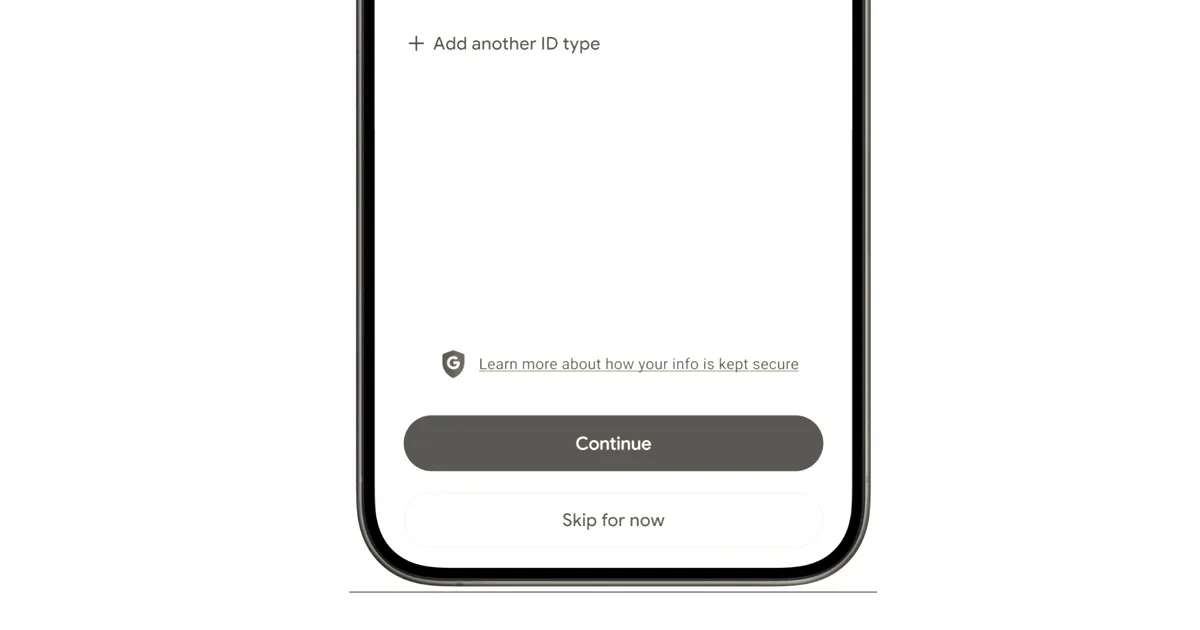
Google announced on Tuesday that it is expanding its “Results about you” tool—the company’s privacy tool for managing personal information in search results—to allow users in the U.S. to request the removal of sensitive government identification numbers. The tool, which is rolling out in the U.S. over the coming days, now supports removal requests for driver’s licenses, passports, and Social Security numbers. Google plans to bring the update to additional regions in the future.
To use the updated tool, users can access it within the Google app by tapping their account photo and selecting “Results about you.” First-time users must select “Get started” and input the personal contact information they wish to monitor, after which they will be prompted to add their government identification numbers. Existing users can update their profiles by adding their ID numbers and selecting which specific documents they want the system to monitor. Once these details are confirmed, Google will automatically monitor Search results and notify the user if it detects matches containing their information.
Alongside the identification updates, the tech giant is streamlining the process for users to request the removal of non-consensual explicit images from Search. Users can initiate a request by clicking the three dots on an image, selecting “remove result,” and tapping “It shows a sexual image of me.” The updated system allows individuals to submit removal requests for multiple images at once using a single form, rather than reporting them individually, and track the status of all requests within the “Results about you” hub.
To address recurring content, Google is introducing an opt-in safeguard. According to Google, “We understand that removing existing content is only part of the solution. For added protection, the new process allows you to opt-in to safeguards that will proactively filter out any additional explicit results that might appear in similar searches.”
However, the company clarified that these privacy tools have structural limits. Removing personal information or images from Google Search does not remove the underlying content from the web entirely.
Why it matters
By allowing the removal of government identification numbers and simplifying the deletion of non-consensual explicit images, Google is shifting more privacy controls directly to users. While the tool does not erase data from the broader internet, restricting its visibility on the search engine significantly reduces the accessibility of highly sensitive personal information.