AI & Models
Google brings multi-step task automation to Gemini on Android
Google is beta-testing multi-step task automation for Gemini on Android, initially limited to select apps in the U.S. and Korea, alongside new scam detection and search features.
On Wednesday, Google announced updates to its Gemini AI features on the Android operating system, introducing a beta for multi-step task automation. This feature allows users to offload tasks to select apps in the food, grocery, and rideshare categories. Initially, this automation capability is available only in the U.S. and Korea. At launch, the feature is limited to the Gemini app on certain devices, including the Pixel 10, Pixel 10 Pro, and Samsung Galaxy S26 series.
In the U.S. and Korea, the supported apps for automation include:
- DoorDash
- Grubhub
- Instacart
- Lyft
- McDonald’s
- Starbucks
- Uber
- Uber Eats
- Kaemin (Korea only)
- Kakao T (Korea only)
Because “AI-powered automations could potentially go wrong”, Google has integrated specific safety protections into the system. The automations require an explicit command from the device owner to begin. Once running, users can watch the progress of these tasks in real time and stop them if they make mistakes or get stuck. Additionally, the automations run within a secure, virtual window on the phone, restricting their access to the specific apps rather than the rest of the device’s data.
The update ties into a broader industry push toward AI agents that can automate everyday tasks. Google’s new features place Gemini in direct competition with other AI tools, such as ChatGPT and Anthropic’s Claude, which have introduced their own task-automation capabilities. It also follows the viral rise of OpenClaw, another tool designed to manage everyday digital tasks.
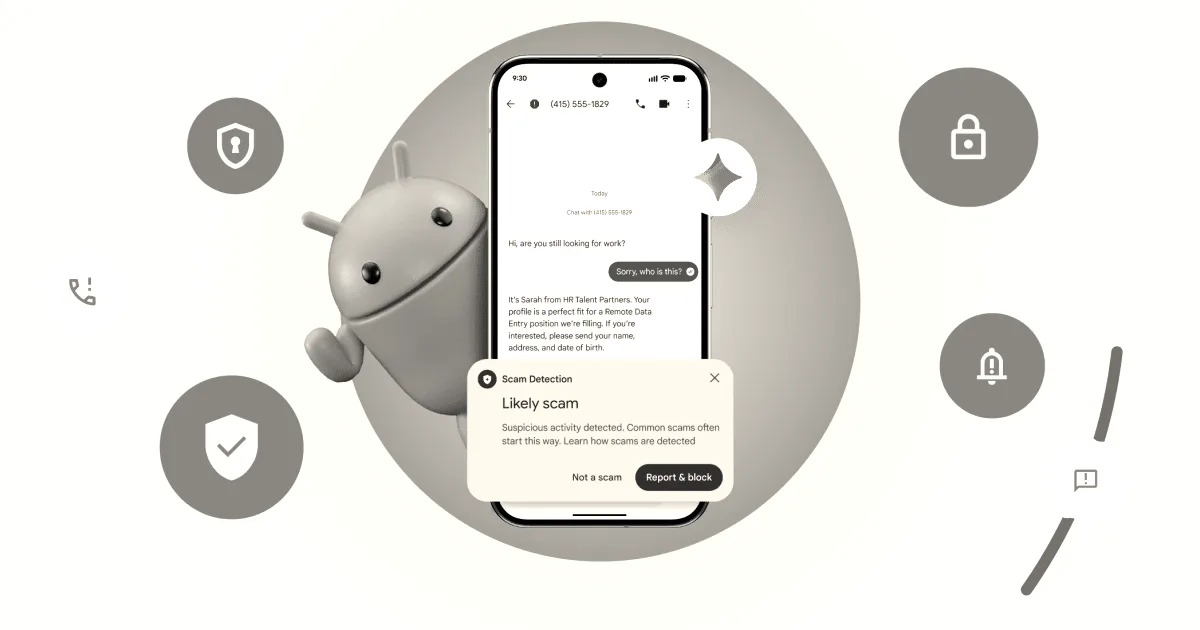
Alongside the automation beta, Google is expanding its “Scam Detection” feature. The call-monitoring safety tool is expanding to Samsung Galaxy S26 devices in the U.S. The feature is already offered on Pixel phones in the U.S., Australia, Canada, India, Ireland, and the U.K. Google is also updating its “Circle to Search” feature, which allows users to use gestures like scribbling and circling to initiate searches. The tool can now search for everything on the phone screen rather than just a single object. These updates arrive as Google continues to roll out features through its operating system and “Pixel Drops”—Google’s term for frequent updates to Pixel devices. Meanwhile, Apple’s competing AI-powered Siri launch has been pushed back.
Why it matters
Google is positioning Gemini as an active agent capable of handling complex, multi-step workflows, directly challenging other AI agents while simultaneously fortifying its Android ecosystem against security threats and search competition.