Compute & Cloud
Zap Energy adds nuclear fission to its fusion business model
Zap Energy is adding nuclear fission to its business model, aiming to address the energy demands of AI data centers that are expected to nearly triple by 2030.
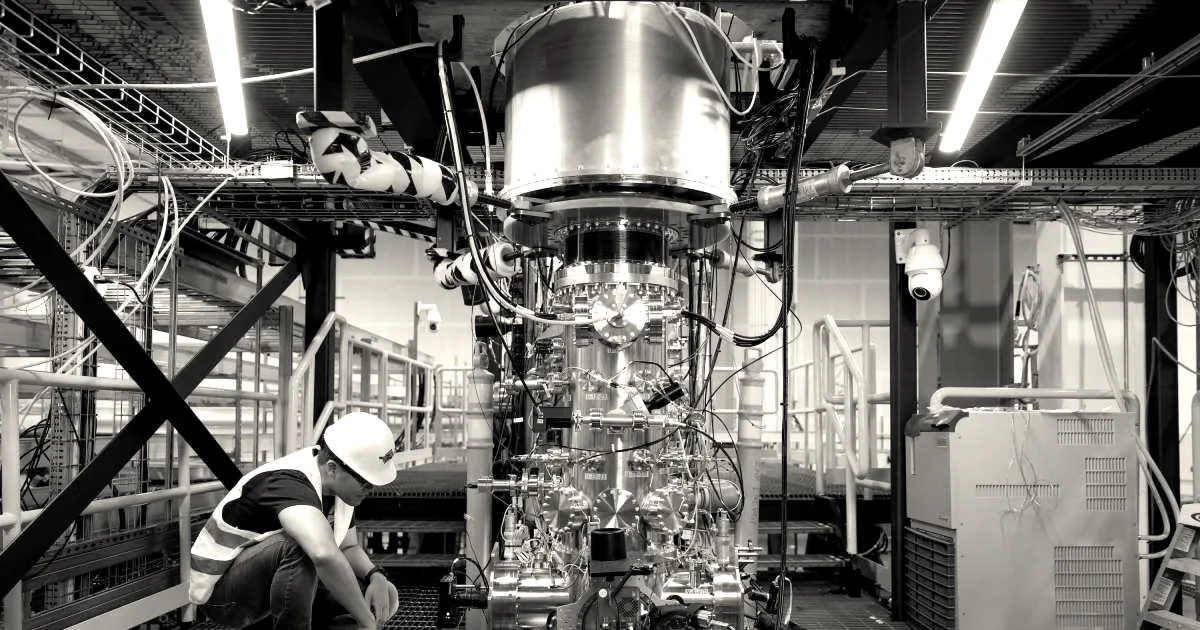
Zap Energy is expanding its focus beyond fusion to include nuclear fission. This shift is aimed at addressing the rising energy demands of artificial intelligence data centers, which are expected to nearly triple by 2030. The company is making this move as technology companies seek electricity today, whereas grid-ready fusion power plants are not expected to be ready for several more years. “There is not enough power and energy in the world to build all the data centers that are needed,” said Zabrina Johal, CEO of Zap Energy.
The startup, which has raised more than $300 million, plans to leverage the 4S (a molten salt-cooled reactor design developed by Toshiba) to generate revenue. Johal stated that Zap expects to start generating revenue from the new fission business within a year. This contrasts with the long-term nature of fusion development. Fission, which splits heavy atoms to produce power, has been used for power generation since the 1950s, whereas fusion remains far from commercial viability. Johal explained that the company needed to accelerate its timeline to deliver a solution relevant to the grid today.
To fund this development, Johal draws parallels to the business model of ASML (the Dutch semiconductor equipment manufacturer). Under this model, Zap could secure milestone payments and reserved production capacity from companies that need massive amounts of electricity. The comparison to the ASML model involves:
- Co-investment: ASML secured funding from semiconductor manufacturers Intel, TSMC, and Samsung, who paid a premium for ASML shares to underwrite research and development.
- Capacity reservation: In exchange, these investors reserved production capacity once extreme ultraviolet lithography (EUV) machines entered production.
- Market dynamics: Unlike ASML, which was the only developer of EUV technology, Zap operates in an energy market where technology companies have multiple suppliers and technologies to choose from.
Beyond private technology companies, Zap is also targeting potential government revenue. The company could secure funding from federal programs through the Department of Defense (DoD) and the Department of Energy (DoE). Johal noted that fission and fusion are closely related, sharing many congruent challenges.
While other fusion companies like Commonwealth Fusion Systems, Tokamak Energy, TAE, and Shine Technologies pursue their own side businesses, Zap argues its fission pivot will accelerate its overall technical capabilities and regulatory experience. The company plans to build relationships with regulators like the Nuclear Regulatory Commission. Meanwhile, other nuclear startups are pursuing public markets; X-energy, a fusion and fission company, recently went public in an IPO that brought the company $1 billion. Zap expects that demand for small modular reactors (SMR) in the 2030s will provide plenty of customers.
Why it matters
Zap Energy’s pivot highlights the growing pressure on fusion startups to deliver near-term, grid-ready power solutions to satisfy the massive energy requirements of the AI boom, moving beyond long-term R&D to immediate commercial viability.