Markets & Business
Kevin Weil joins Stoke Space's board after leaving OpenAI
Kevin Weil, OpenAI's former chief product officer, has joined the board of reusable-rocket startup Stoke Space as a director.
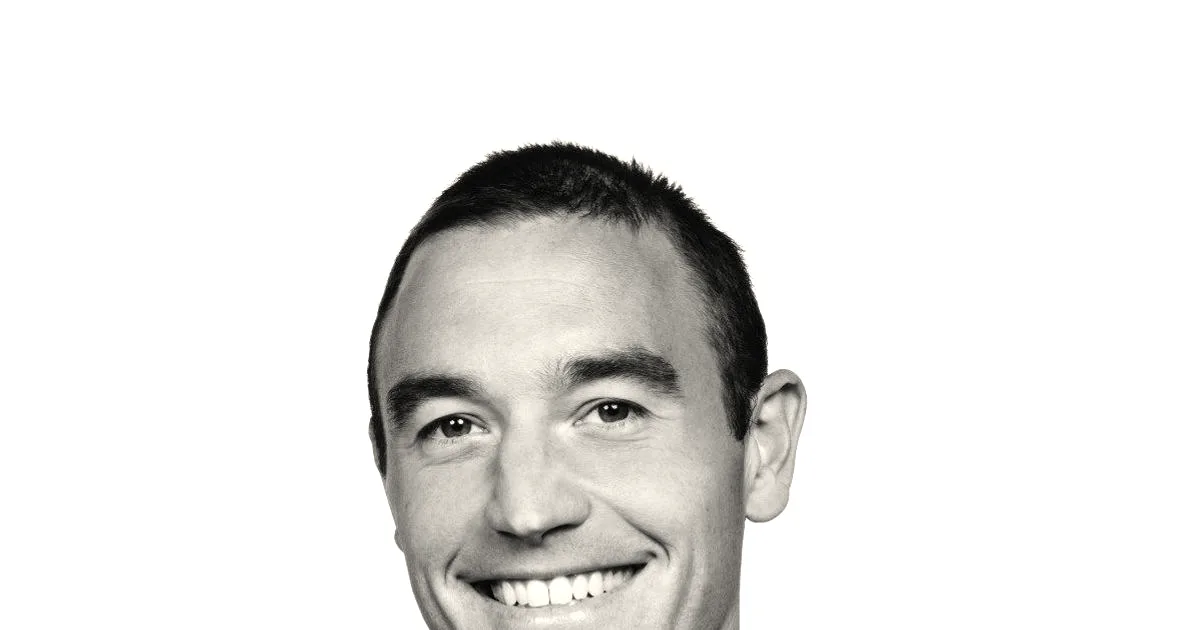
Kevin Weil, known for stints at Twitter, Meta, Planet Labs, and OpenAI, has joined the board of Stoke Space, a well-funded Seattle startup building reusable rockets to compete with SpaceX.
Weil and his wife Elizabeth were early investors in Stoke through their fund, Scribble Ventures, after Stoke co-founder and CEO Andy Lapsa founded the company in 2020 and soon joined Y Combinator (a US startup accelerator) winter batch. Since then, Lapsa has raised $1.34 billion total, including a $510 million Series D funding round (a late-stage venture financing round) in 2025, to build a rapidly reusable rocket that could fly this year. Lapsa has said Weil filled gaps he had as an engineer-turned-founder who didn’t know how to fundraise or navigate Silicon Valley, giving him a network and fundraising background Stoke lacked early on.
Weil served as OpenAI’s chief product officer (a senior product executive role) from June 2024 until October 2025, then led an effort to accelerate scientific research at the frontier AI lab until that work was spread more widely across the company in April. Sam Altman was reportedly kicking the tires on Stoke last year, contemplating an investment in his own SpaceX competitor — raising the question of whether Weil could be a link between OpenAI and Stoke. Lapsa declined to comment on “gossip and rumors” about OpenAI, saying Weil’s role was to focus on Stoke itself.
Stoke is building a rocket, Nova, intended to be completely reusable and able to fly again and again — something no one has ever achieved, though SpaceX has come closest with its Starship rocket. Blue Origin, Jeff Bezos’s space company where Lapsa previously worked, has flirted with full reusability but hasn’t prioritized it. SpaceX’s stock market debut rests largely on Elon Musk’s promises that Starship will be flying operational missions this year, a dynamic Lapsa says has normalized an idea that once seemed like a stretch — full, rapid reuse — which he now considers inevitable.
Weil’s background could help on two fronts beyond OpenAI ties: he was one of four tech figures who joined the U.S. Army Reserve (a part-time component of the US military) to improve recruitment and cooperation between the Army and industry, relevant to Stoke’s Department of Defense (the US military’s governing department) contracts, and he served as president of Planet Labs, a satellite earth observation company, for three years as it went public in 2021.
Why it matters
Despite many billions of dollars invested in new launch vehicles, there still aren’t enough rockets to go around, and the next company to get a reasonably priced, fully reusable rocket flying regularly stands to make a killing.