Markets & Business
GoPro explores potential sale amid defense pivot
GoPro has hired an investment bank to evaluate a potential sale while simultaneously pivoting to the defense sector and laying off a quarter of its workforce.
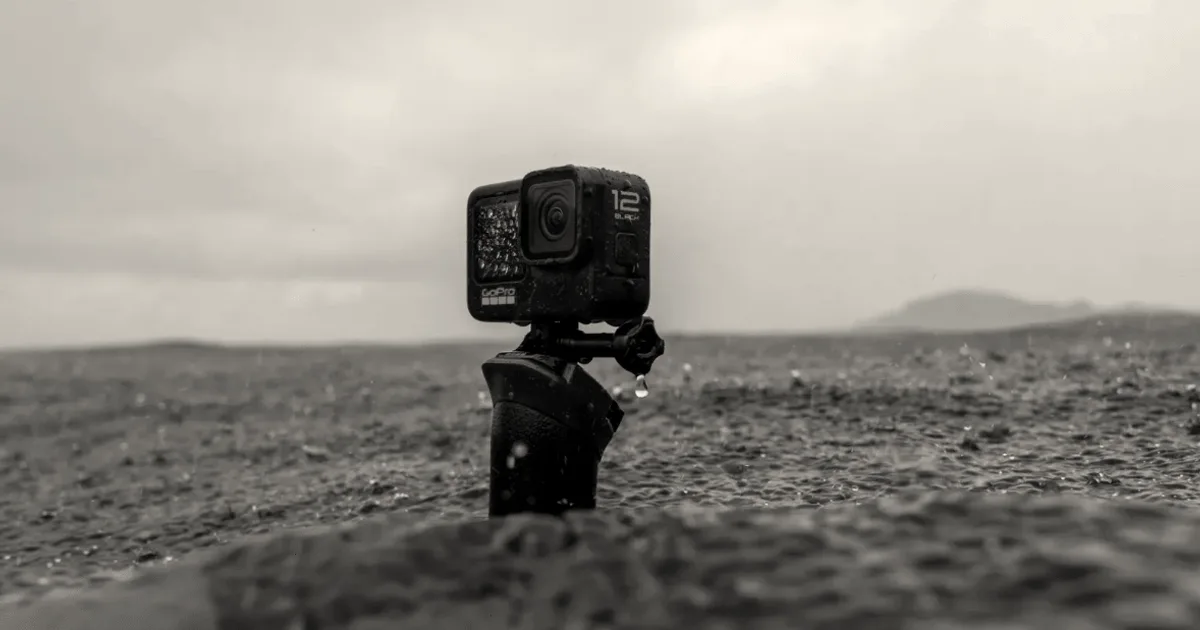
GoPro, the California action camera manufacturer, announced on Thursday that it has hired investment bank Houlihan Lokey to evaluate a “potential sale and other strategic alternatives”—a financial term implying the company is looking to be sold. The decision follows a statement from the GoPro board of directors, which announced it recently received “several unsolicited inbound strategic inquiries from parties across various sectors including defense, consumer and financial.” The author framed the board’s reaction to these inquiries as a collective “Uh-oh.”
This search for a buyer comes as GoPro’s financials are deteriorating. Last month, the company announced a plan to “explore defense and aerospace market opportunities” while simultaneously laying off a quarter of its workforce. This reduction will shrink its headcount to fewer than 600 employees, down from a historical high of as many as 1,500 employees. The workforce reduction represents a significant contraction of the company’s operations. This is not the first time a sale has been considered; founder and CEO Nick Woodman noted that a sale was briefly on the table back in 2018.
GoPro’s shift toward defense applications follows a broader trend where companies are seeking government contracts. For instance, defense startup Anduril raised $5 billion, highlighting the capital flowing into the sector. Other companies are executing strategic pivots; Redwood Materials recently raised $425 million from investors including Google and Nvidia to focus on data center energy storage, while Ford has pivoted toward its own energy-storage business. Meanwhile, Cerebras recently executed its 2026 IPO, demonstrating how investors are rewarding companies that align with these sectors. These movements show how public markets and private investors are rewarding these sectors.
For GoPro, the defense pivot represents a departure from its origins as a consumer hardware company. During the 2010s, the California company survived competition from rivals like Google’s Clips camera. However, its business has struggled in recent years, with its stock price flatlining at about $1 two years ago. Although the announcement of the defense pivot briefly boosted the stock, the company’s deteriorating financials have ultimately forced it to seek strategic alternatives, leading to the hiring of Houlihan Lokey to evaluate a potential sale.
Why it matters
GoPro’s struggle highlights the desperation of legacy consumer tech companies attempting to capture government spending as a lifeline against declining core business performance.