Chips & Hardware
Harbinger unveils new medium-duty electric work truck
Harbinger has unveiled the HC Series Cab, a new medium-duty work truck available in all-electric or hybrid variants, with the hybrid model offering up to 500 miles of range.
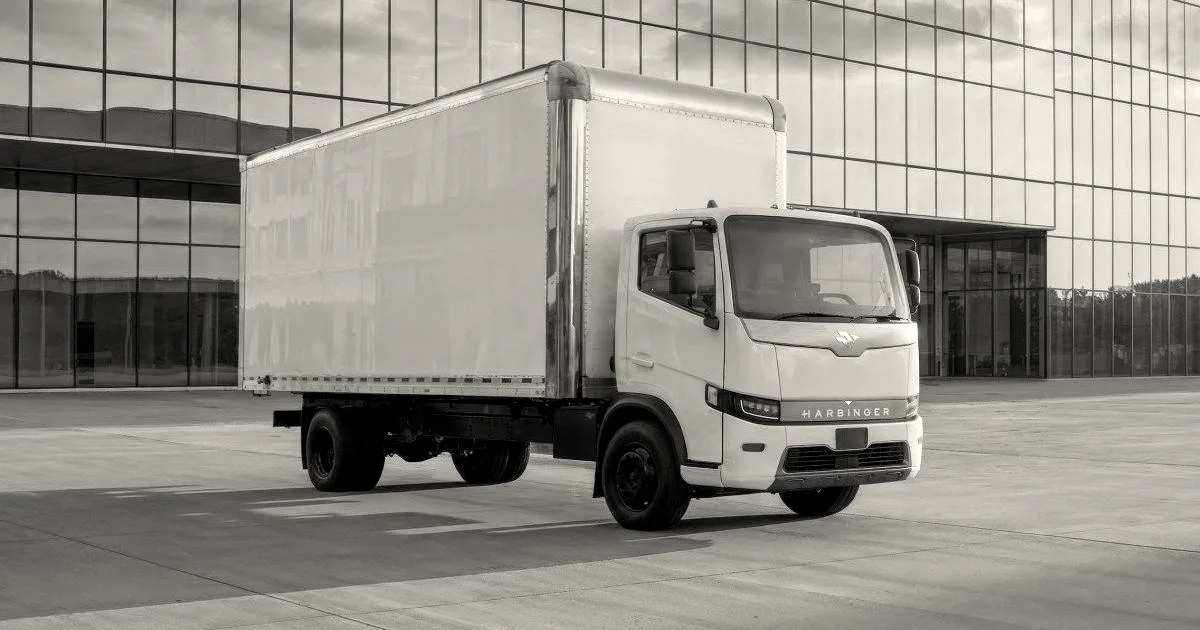
Los Angeles-based electric vehicle startup Harbinger has revealed its second vehicle, a medium-duty work truck named the HC Series Cab. The vehicle will be available as an all-electric vehicle or as a hybrid. The hybrid variant features a range-extended hybrid system—defined as a hybrid vehicle system that uses an engine to extend the electric range—which offers up to 500 miles of range. Harbinger did not disclose pricing for the vehicle, but noted that it features easy entry and exit, a tight turning radius, and a chassis designed for various commercial applications. This design allows operators to upfit the chassis, which refers to modifying a vehicle chassis for specific commercial uses such as adding cargo boxes or flatbeds.
Since its founding in 2022, the company has secured capital to scale its operations. Harbinger’s recent funding rounds include:
- A $100 million Series B funding round raised in January 2025.
- A $160 million Series C funding round raised in November.
Alongside its vehicle development, Harbinger has diversified its business model to build long-term stability. In January, the company started selling energy storage products, securing RV manufacturer Airstream as its first customer. This was followed in February by its first acquisition, purchasing the autonomous vehicle software company Phantom AI. The startup has also attracted commercial customers like FedEx and RV-builder THOR Industries with its larger truck chassis, which can also operate as an all-electric vehicle or as a range-extended hybrid.
According to John Harris, co-founder and CEO of Harbinger, commercial fleets have historically had to compromise on payload, maneuverability, range, and onboard capabilities. Harris stated that the platform was engineered to perform better than legacy diesel options while utilizing electrification and the company’s range-extended hybrid system to support field operations.
This expansion into energy storage and software is part of a deliberate strategy to manage market volatility. “The more we diversify revenue sources, the better kind of long-term, stable company we build that becomes, I think, more tolerant of these wild swings we have in the U.S. market,” Harris said. To support this, the company relies on a vertically integrated manufacturing model. Harris explained that Harbinger has established its own internal supply verticals for key components, acting as its own supplier for batteries, motors, suspensions, and axles.
Why it matters
By expanding its vehicle lineup and vertically integrating its supply chain, Harbinger aims to establish a stable, diversified business capable of competing with legacy diesel options. This strategy is intended to provide long-term stability while navigating market volatility in the U.S. commercial transport sector.