Startups & Funding
Ethernovia raises $90M to advance physical AI infrastructure
Ethernovia raised $90 million in Series B funding, highlighting a broader investor shift toward the infrastructure suppliers enabling physical AI technologies like robotics and autonomous vehicles.
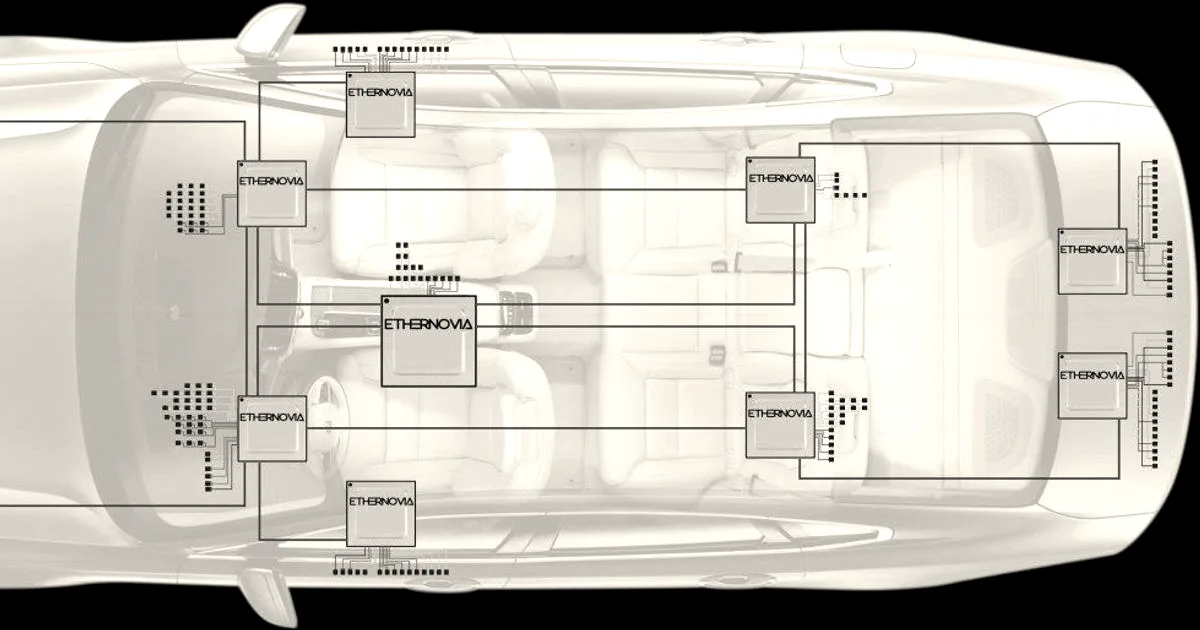
On Tuesday, the San Jose-based company Ethernovia announced that it has raised $90 million in a Series B funding round. A Series B round is a stage of venture capital financing that companies typically raise to scale their operations, expand their market reach, and further develop their technology after initial growth. Ethernovia makes Ethernet-based processors, which are hardware components used to collect data from sensors scattered around a system—such as an autonomous vehicle—and quickly move that data to a central computer.
The funding round was led by Maverick Silicon, an artificial-intelligence-focused investment fund created in 2024 by the hedge fund Maverick Capital. The launch of Maverick Silicon represents a notable shift for its parent firm, as it is the first sector-specific fund that Maverick Capital has launched in its 30-year history. The round also featured participation from existing investors Porsche SE and Qualcomm Ventures, both of which had already backed the company in previous financing efforts.
This investment reflects a broader trend in the technology sector where capital is shifting toward the suppliers enabling “physical AI” technologies. Physical AI is an industry term referring to the application of artificial intelligence to physical systems like robotics and autonomous vehicles. Currently, investors and companies alike are trying to leverage developmental gains in artificial intelligence to make leaps in these physical systems. As a result, some of the billions of dollars flowing to artificial intelligence startups is starting to spill toward suppliers doing the behind-the-scenes work to make these technologies real. Because of this shift, investors will likely increase funding for under-the-radar infrastructure companies like Ethernovia this year, as they look to boost companies that provide the essential hardware for these systems.
Why it matters
The funding reflects a broader shift where capital is moving toward the “behind-the-scenes” suppliers enabling physical AI technologies like robotics and autonomous vehicles. Investors are increasingly targeting under-the-radar companies that provide the behind-the-scenes infrastructure for these systems.