Chips & Hardware
Hesai to double lidar production as Western rivals struggle
Hesai plans to double its lidar production capacity to 4 million units this year, contrasting with the recent bankruptcy of U.S. competitor Luminar.
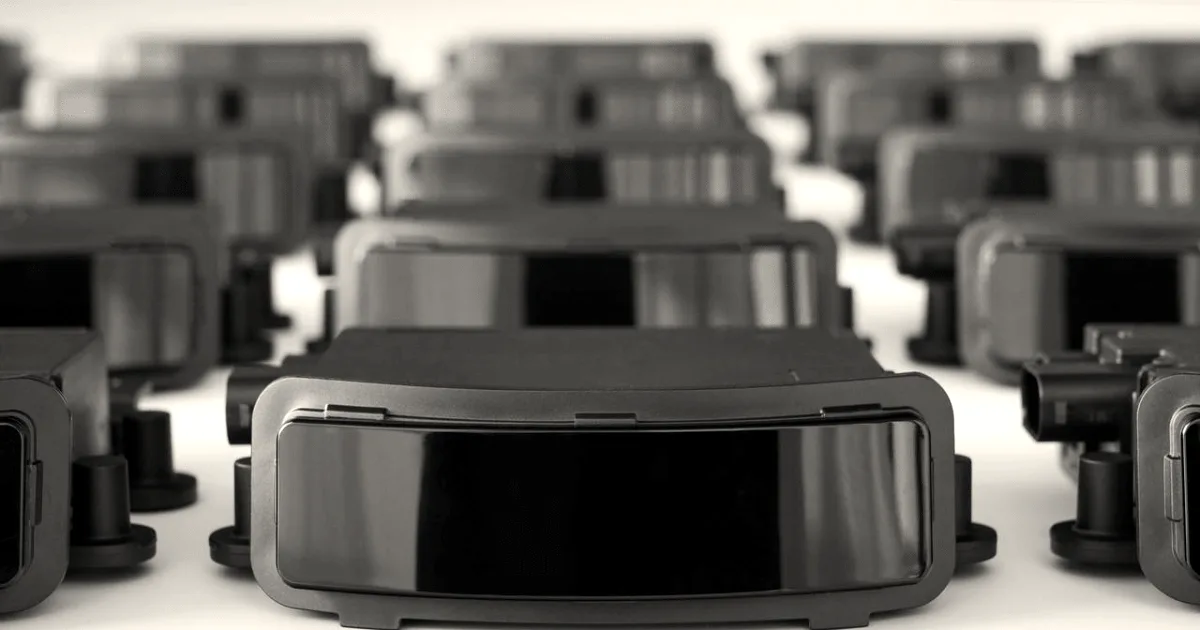
On Monday, Chinese lidar-maker Hesai announced plans to double its production capacity from 2 million units to 4 million units this year. Lidar, which refers to laser-based sensors, is a key technology for autonomous driving. The planned expansion represents a significant jump from the 1 million-plus unit mark that Hesai hit in 2025. This push to capture global market share comes just one month after U.S. lidar-maker Luminar filed for Chapter 11 bankruptcy, which is the U.S. bankruptcy protection process. Luminar is not expected to continue operating once its bankruptcy plan is approved.
Hesai’s growth comes despite facing regulatory challenges in the U.S. The company is listed on both the Nasdaq and the Hong Kong stock exchanges, even as the U.S. government accused the company of working closely with China’s military industry. Hesai has challenged this accusation. Meanwhile, the company’s market in China is expanding. Hesai claims that 25% of new electric cars sold in China use lidar sensors, and many new vehicles in China are expected to integrate between three to six lidar sensors per car.
At the 2026 Consumer Electronics Show (CES), an annual technology trade show in Las Vegas, Hesai attributed its production targets to “accelerating demand” in the automotive and robotics sectors. The company has 24 automotive customers, including a “top European” automaker, and has secured 4 million orders for its newest ATX lidar sensor. It has also struck deals to provide sensors to autonomous vehicle companies including Pony AI, Motional, WeRide, and Baidu. Hesai claims it has helped drive down the cost of lidar sensors by 99.5% in eight years. This cost pressure has squeezed Western rivals. According to Luminar bankruptcy filings, “pressure to reduce costs due to lower price points of China-based competitors” was a key factor in its downfall. While Luminar had plans to integrate its sensors on Volvo, Polestar, and Mercedes-Benz vehicles, those plans fell apart. The Swedish automaker Volvo had agreed to buy 1.1 million sensors but ultimately only purchased around 10,000 from Luminar.
As the automotive market outside of China proves difficult, some lidar players are pivoting. San Francisco-based Ouster, which acquired Velodyne in 2023, believes robotics represents a $14 billion market opportunity. Hesai is also targeting this space, showcasing robotic lawnmowers and robotic dogs using its JT series lidar sensors at CES, while hinting at future integration into humanoid robots.
Why it matters
The lidar industry is bifurcating: Chinese manufacturers are achieving scale and cost-efficiency, while Western players face consolidation and bankruptcy, fundamentally altering the global supply chain for autonomous systems.