Apps & Consumer
Cash App adds pay-over-time feature for peer-to-peer transfers
Cash App has launched a pay-over-time feature for peer-to-peer transfers in the U.S., charging a 7.5% fee for eligible transactions of $25 or more.
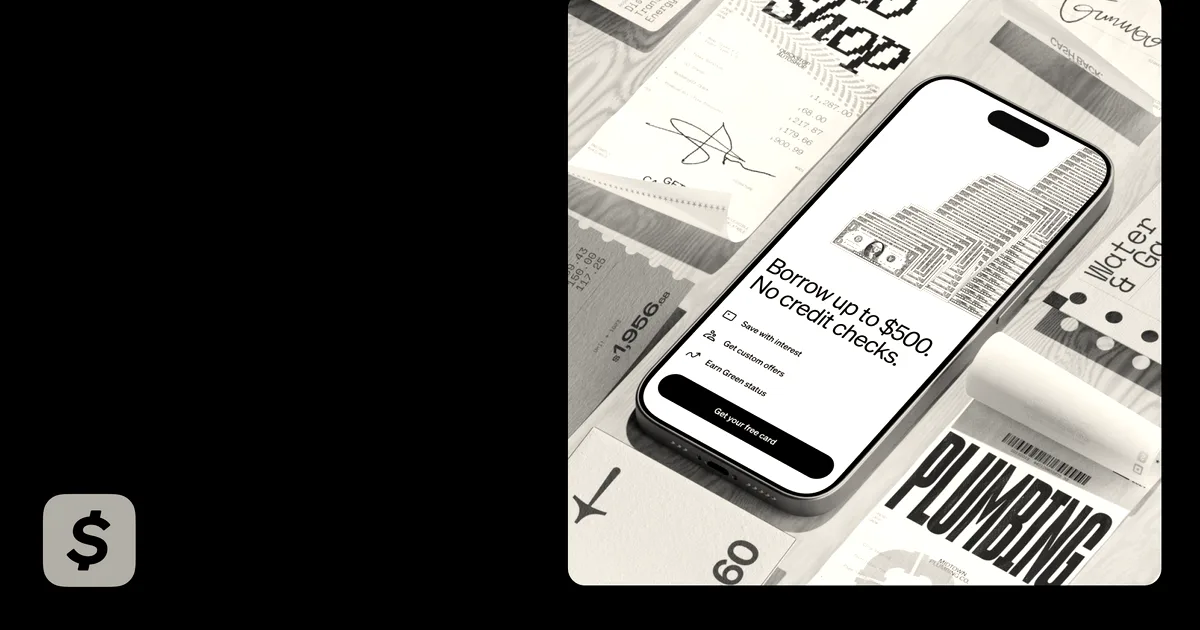
Cash App, the peer-to-peer (P2P) payment application owned by Block, has launched a new deferred payment feature in the U.S. that allows users to pay over time for their transfers. The feature introduces a pay-over-time option directly into peer-to-peer transactions, expanding flexible financing into the P2P payment realm.
To use the new feature, transactions must meet the following criteria:
- Minimum transfer amount: Eligible transfers must be $25 or more.
- Fee: Users are charged a flat 7.5% fee per transaction. For example, a user borrowing $100 will repay a total of $107.50.
- Repayment period: Repayments can be made in weekly increments over a period of up to six weeks, or as a single payment at the due date.
The loan limits for the feature are dynamic rather than fixed. According to a company spokesperson, the specific amount available for conversion depends on the original transaction amount and individual customer assessment. The spokesperson added that Cash App evaluates each transaction for eligibility based on its responsible lending criteria instead of setting traditional credit limits.
Owen Jennings, Block’s Executive Officer and Head of Business, framed the feature as a tool for cash flow management, particularly for users with non-traditional employment. Jennings noted that a growing segment of the workforce, particularly younger people, consists of solo-preneurs, entrepreneurs, and gig workers who manage variable income streams from side hustles and multiple jobs. He contrasted this with the employment landscape of 40 or 50 years ago, when the average income earner in the U.S. typically received a steady W2 income (standard US employment income) every two weeks.
To address concerns regarding consumer debt, Jennings emphasized that the feature is structured as a non-revolving lending product, meaning the credit does not replenish after repayment. “If you don’t pay back a loan, then you can’t take out another loan,” said Owen Jennings, Block’s Executive Officer and Head of Business, explaining that this mechanism is designed to prevent users from falling into debt spirals.
The launch arrives amid broader scrutiny of buy now, pay later services. Critics allege that these deferred payment models can trap consumers in cycles of debt and that the necessity of financing basic transactions serves as a sign of broader economic crisis. Providers of these services have also found themselves in legal hot water. Just this week, Klarna was sued in a class-action lawsuit alleging it had engaged in predatory practices, Bloomberg reported.
Why it matters
Cash App’s new feature signals the expansion of flexible financing models from retail purchases into the peer-to-peer payment realm, specifically targeting users with variable income streams.