Markets & Business
Aurora’s driverless trucks outpace human driving limits
Aurora reported a $816 million loss in 2025 while expanding its driverless trucking fleet, which it expects to grow to more than 200 trucks this year.
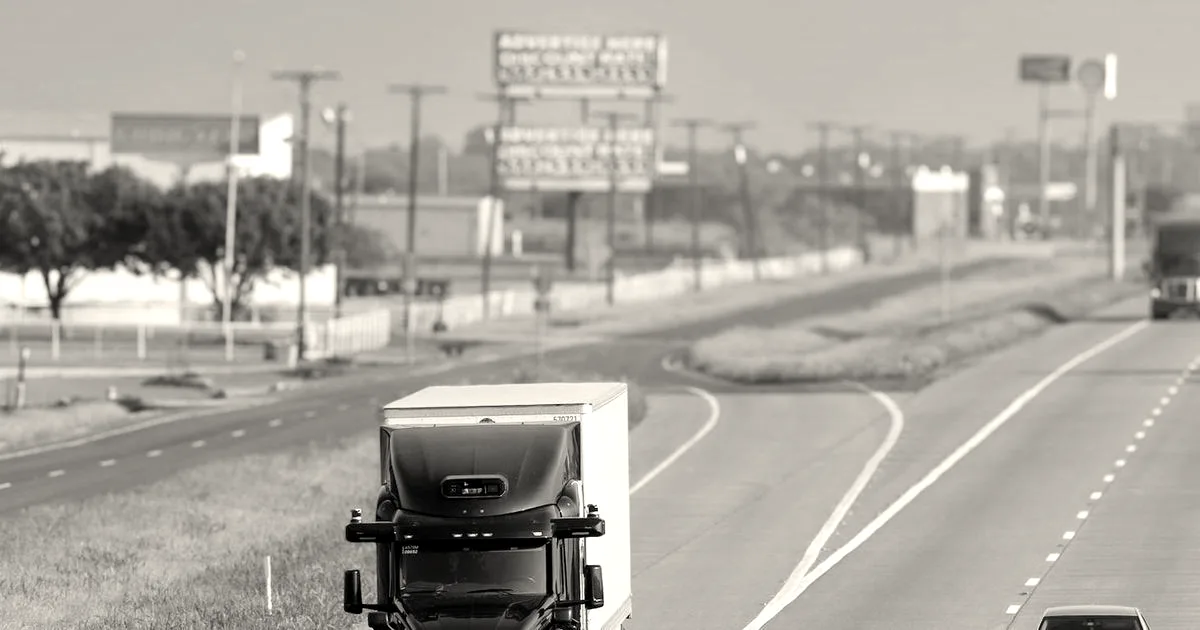
Autonomous trucking company Aurora has completed a 1,000-mile route between Fort Worth and Phoenix in about 15 hours, demonstrating the operational capabilities of its driverless trucks. The driverless trucks can travel nonstop on this route, showcasing a significant technical milestone. However, scaling these operations remains capital-intensive. According to regulatory filings, Aurora’s financial results for 2025 include:
- Net income loss: $816 million, up 9% from the previous year.
- Fourth-quarter revenue: $1 million.
- Full-year revenue: $3 million.
- Total year adjusted revenue: $4 million, according to CFO David Maday, which includes pilot program earnings.
The primary economic advantage of Aurora’s driverless trucks lies in bypassing federal regulations designed for human drivers. Under US federal regulations, human truck drivers must take a 30-minute break after eight hours of driving, are limited to a maximum of 11 hours of driving time, and must take a mandatory 10-hour rest period after hitting that threshold. Aurora’s driverless trucks bypass these limitations, allowing them to run continuously. This efficiency is attracting commercial freight customers, including Uber Freight, Werner, FedEx, Schneider, and Hirschbach. To meet this demand, Aurora expects its fleet to grow to more than 200 trucks by the end of the year, up from its current fleet of 30 trucks, of which 10 are operating driverlessly.
During an earnings call on Wednesday afternoon, Chris Urmson, Aurora co-founder and CEO, noted that the company’s trucks have racked up 250,000 driverless miles as of January 2026 with a “perfect safety record.” Urmson stated, “It is the dawn of a superhuman future for freight.”
Aurora is focusing its expansion on the Sun Belt, a region of the United States. The company currently operates driverless trucks on routes connecting Dallas, Houston, Fort Worth, El Paso, Phoenix, and Laredo. Some of these routes still require a human safety observer—a person present in the cab to monitor autonomous operations—particularly on Paccar trucks, as requested by the truck manufacturer. However, in the second quarter, Aurora plans to deploy a fleet of driverless International Motors LT trucks that will operate without a human safety observer on board. The company’s expansion plans extend across Texas, New Mexico, and Arizona, with future driverless operations planned for Nevada, Oklahoma, Arkansas, Louisiana, Kentucky, Mississippi, Alabama, North Carolina, South Carolina, Georgia, and Florida.
Why it matters
Aurora’s ability to complete long-haul routes without the mandatory breaks required for human drivers provides a significant economic efficiency advantage for commercial freight customers. This operational model allows driverless fleets to run continuously, offering substantial logistical advantages over traditional human-driven transport.