Chips & Hardware
AI chip startup Etched hits $10.3B valuation
Etched, the AI inference-chip startup founded by three Harvard dropouts, has raised a $300 million Series C at a $10.3 billion valuation, roughly doubling its valuation in about seven months.
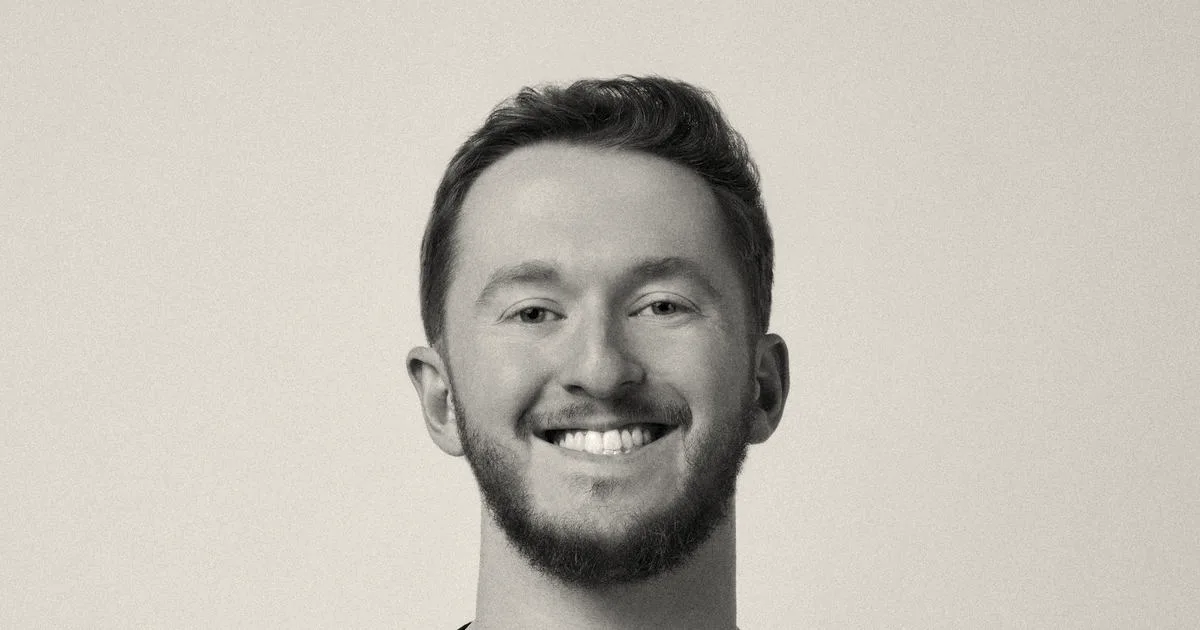
Etched, the AI chip startup founded by three Harvard dropouts in 2022, has closed a $300 million Series C round at a $10.3 billion valuation, co-founder and COO Robert Wachen told TechCrunch. Sequoia led the round, with Andreessen Horowitz, SK Hynix, Jane Street, and Diffusion Capital also participating alongside earlier backers including Peter Thiel, Andrej Karpathy, Dylan Field, and Amjad Masad.
The company was valued at $5 billion in December when it raised a $500 million round, meaning it has doubled its valuation in about seven months — a jump Etched says makes this the highest valuation ever for a Sequoia-led Series C. Last month, Etched said it had successfully manufactured its own chips, that its first full systems were being tested by clients, and that it had already booked $1 billion worth of orders.
Etched launched at a time when building a chip specifically for transformer-based AI models — the architecture behind most modern systems, including ChatGPT and Claude — was seen as an eccentric bet. The company still fights the perception that its systems, sold as full racks rather than individual chips, can run only specific models. Wachen says that’s not the case: the systems can run any model, including Mixture of Experts designs like DeepSeek and Qwen as well as non-transformer architectures like Mamba. Notably, the idea of etching parts of a specific model directly into silicon is no longer seen as far-fetched — Google is reportedly pursuing a similar concept with a chip called Frozen v2 for Gemini.
Etched’s pitch centers on two custom components built to speed up inference, the computation that happens after a user submits a prompt: a prefill chip that runs at a much lower voltage than other AI chips, generating less heat and allowing more transistors to be packed in, and a new type of memory paired with “cluster-scale” interconnect technology that lets many chips share a single, low-latency memory pool.
The company has faced skeptics since its start, in part because access to its systems has been limited to investors and early customers. “Andrej Karpathy from Anthropic, Noam Brown from OpenAI, Geoffrey Hinton, as well as all the investors in the funding round — these are all people who actually tried the hardware and are very excited about it,” Wachen says.
Etched now has 400 people working out of its main San Jose office, which houses a 2 megawatt data center, and has just opened an 80,000-square-foot, 10MW facility in nearby Milpitas.
Why it matters
Etched’s valuation jump, alongside Google’s reported work on its own model-specific chip, signals investor conviction that purpose-built inference hardware — not general-purpose GPUs — is where a growing share of AI infrastructure spending is headed.