AI & Models
AI-generated character Tilly Norwood sparks industry backlash
Production company Particle6 has released a music video featuring its AI-generated character Tilly Norwood, drawing criticism from actors' union SAG-AFTRA over unauthorized training data.
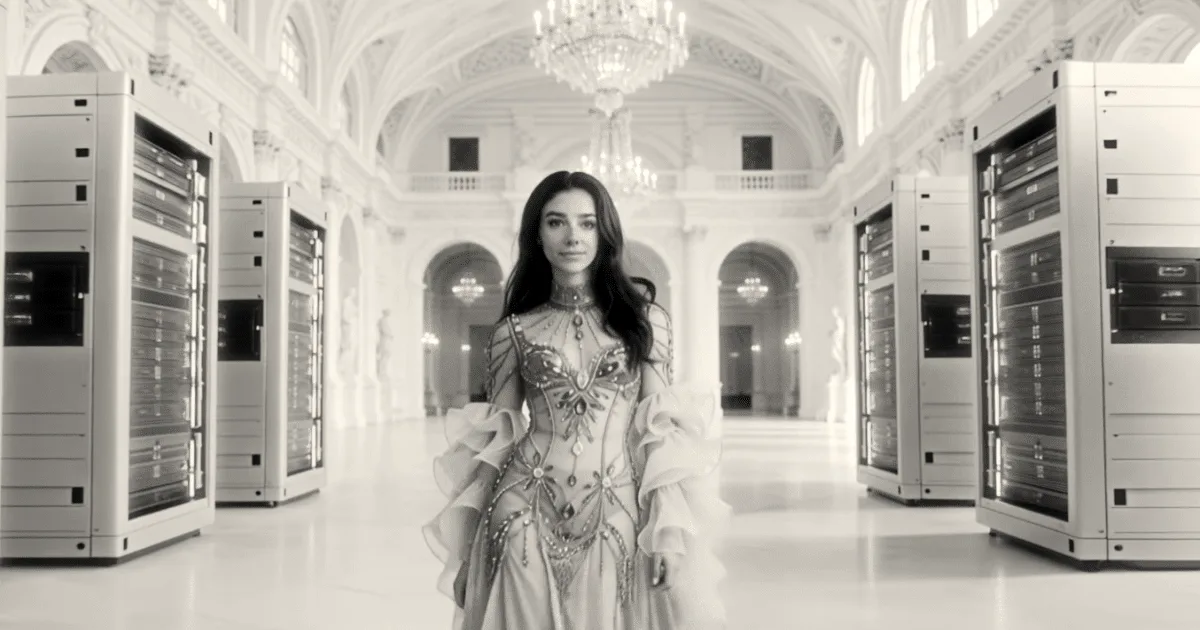
Production company Particle6 has released a music video for the song Take the Lead, featuring its AI-generated character Tilly Norwood. The character originally debuted last fall, and the move was not warmly welcomed by Hollywood. The music video, which lists eighteen people as contributors—including designers, prompters, and editors—presents Norwood performing a song about the challenges of being an AI character. In the song, the character insists that she possesses a human spark and creativity, declaring that she is the star rather than a puppet, and urges other AI actors to take the stage and create their own fate.
The release has drawn sharp criticism from industry figures and labor representatives. Emily Blunt, a Golden Globe winner, previously criticized the use of AI actors in an interview with the industry publication Variety, stating, “Good Lord, we’re screwed. Come on, agencies, don’t do that. Please stop.” Meanwhile, SAG-AFTRA, the union representing actors, issued a statement opposing the character. The union argued that Tilly Norwood is not an actor but a character generated by a computer program trained on professional performers’ work without permission or compensation. According to the union, the technology does not solve any problems, but rather it creates the problem of using stolen performances to put actors out of work, jeopardizing performer livelihoods and devaluing human artistry.
This dispute reflects broader, ongoing debates over AI-generated creative works. Similar tensions have emerged around other AI music projects, such as the digital persona Xania Monet, whose AI-generated song featured lyrics that were supposedly written by a real person, and the use of AI music generators like Suno. The current backlash also draws historical comparisons to past industry reactions against derivative art. Twenty years ago, the music publication Pitchfork gave the band Jet’s album Shine On a 0.0 out of 10 rating. In a 2024 interview, Pitchfork editor Scott Plagenhoef explained that the reaction stemmed from seeing mainstream rock music, which many had grown up with a fondness for, become derivative and repetitive. This sentiment mirrors modern artistic objections to AI models that are trained on existing human works without consent.
Why it matters
The release of content by an AI-generated character highlights ongoing industry tensions regarding the use of AI in entertainment, specifically concerns about training data consent and the displacement of human performers.